Imagine a world where you could know about an impending illness days, maybe even weeks, before you start feeling any symptoms. No more sudden, debilitating sicknesses catching you off guard. What if your watch could tell you if you're about to get sick? Let's face it, dealing with health scares can be incredibly disruptive. The uncertainty, the doctor's visits, the impact on work and family – it all adds up. We long for a sense of control over our well-being, a way to be proactive instead of reactive when it comes to our health. That's precisely what we're exploring today: the potential of wearable technology to predict illness before symptoms even appear. We're diving into the science, the possibilities, and the current state of wearables that promise to give us a head start on staying healthy. This article examines the emerging field of predictive wearables. We'll discuss how these devices use sophisticated sensors and ...
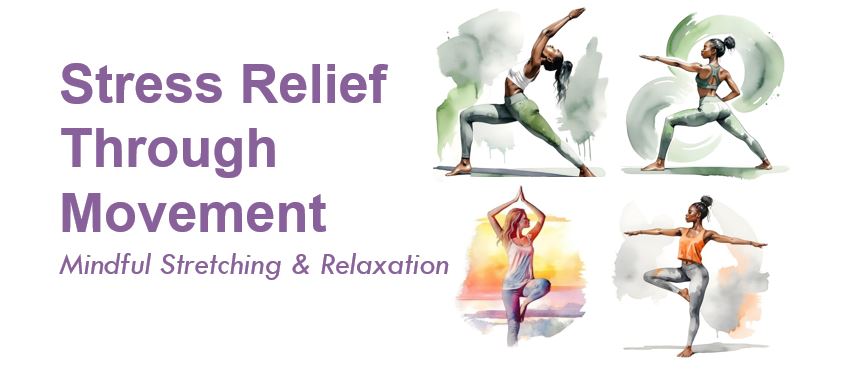
Ever feel like your stress is a tightly wound spring, ready to snap at any moment? We all experience stress, and sometimes it feels like it’s winning. But what if I told you that your body holds the key to unlocking relief, that the simple act of movement can be a powerful antidote to the pressures of daily life?
It's a familiar story: deadlines looming, relationships strained, the endless to-do list buzzing in your head. You might find yourself short-tempered, constantly tired, or struggling to focus. Sleep becomes a luxury, not a necessity. These are the signs that stress is taking a toll, impacting your well-being in tangible ways.
This article explores the powerful connection between movement and stress management. We'll delve into how physical activity, in its many forms, can help you regain control, find inner peace, and build resilience against the inevitable challenges of life. We'll provide practical tips and insights to integrate movement into your daily routine and experience the transformative benefits of a body in motion.
In essence, managing stress through movement involves using physical activity to alleviate tension, improve mood, and enhance overall well-being. From understanding the science behind the connection to exploring various types of exercises and incorporating movement into your daily routine, this article provides a holistic approach to stress management. Key concepts include the release of endorphins, the calming effect of rhythmic activities, and the importance of finding movement that you genuinely enjoy. Consider it your guide to a more relaxed and resilient you.
Finding Your Movement Mojo
For years, I was the queen of avoidance when it came to exercise. The gym felt like a punishment, not a pleasure. Then, during a particularly stressful period at work, a friend dragged me to a Zumba class. I was hesitant, awkward, and definitely not coordinated. But something shifted. The music was infectious, the instructor was encouraging, and for that one hour, I forgot about the deadlines and the drama. I laughed, I sweated, and I actually had fun. That’s when I realized that movement didn't have to be a chore; it could be a source of joy and stress relief.
Finding your movement mojo is all about discovering activities that resonate with you. It’s not about forcing yourself into a rigid routine or adhering to someone else’s definition of “exercise.” It’s about experimenting, exploring, and paying attention to how different types of movement make you feel. Do you feel energized after a brisk walk in nature? Does the rhythm of swimming calm your mind? Does dancing to your favorite music lift your spirits? The key is to find activities that you genuinely enjoy and that fit seamlessly into your lifestyle. This makes it far more likely that you’ll stick with it, turning movement into a sustainable and enjoyable way to manage stress.
The Science of Sweat and Serenity
What is the connection between a brisk walk and a calmer mind? It's more than just a feeling – it's rooted in science. When you engage in physical activity, your body releases endorphins, which are natural mood boosters. These chemicals act as natural painkillers and can significantly reduce feelings of stress and anxiety. Furthermore, movement helps regulate the body's stress response system, lowering levels of cortisol, the primary stress hormone. This creates a cascade of positive effects, leading to improved sleep, enhanced concentration, and a greater sense of overall well-being.
Understanding the science behind the "sweat and serenity" connection empowers you to make informed choices about how you incorporate movement into your life. It reinforces the idea that exercise is not just about physical fitness; it's about nurturing your mental and emotional health as well. By embracing the scientific evidence, you can approach movement with a deeper understanding of its benefits and a greater motivation to make it a regular part of your stress management strategy.
Movement Myths and Misconceptions
There's a common myth that you need to dedicate hours to intense workouts to reap the stress-busting benefits of movement. This is simply not true! In fact, even short bursts of activity can make a significant difference. A 10-minute walk during your lunch break, a quick dance session in your living room, or a few minutes of stretching at your desk can all contribute to reducing stress levels. Another misconception is that exercise is solely about physical appearance. While improved fitness is a welcome side effect, the primary goal of movement for stress management is to enhance mental and emotional well-being.
Historically, movement has been intrinsically linked to daily life. Before the advent of sedentary jobs and modern conveniences, people naturally incorporated physical activity into their routines through tasks like farming, hunting, and manual labor. In many cultures, movement is also intertwined with spiritual practices, such as yoga and Tai Chi, which emphasize the connection between mind, body, and spirit. By dispelling the myths and appreciating the historical context, we can reclaim movement as a natural and accessible tool for managing stress.
Unlocking the Hidden Secrets of Movement
The secret to successfully managing stress through movement lies in finding activities that you genuinely enjoy and that align with your personality and preferences. Don't force yourself into a workout that you dread; instead, explore different options until you discover what feels right for you. Another often overlooked aspect is the importance of mindful movement. Pay attention to your body, your breath, and your surroundings as you move. This helps you to fully engage in the present moment, further reducing stress and promoting a sense of calm.
Furthermore, consistency is key. Aim to incorporate movement into your daily routine, even if it's just for a few minutes at a time. Over time, these small bursts of activity will accumulate and make a significant impact on your overall stress levels. Finally, remember to be patient with yourself. It takes time to develop new habits and to find the right types of movement that work for you. Don't get discouraged if you experience setbacks; simply get back on track and continue to prioritize movement as a vital part of your stress management strategy.
Movement Recommendations: A Tailored Approach
The best movement recommendations are those that are tailored to your individual needs and preferences. If you're new to exercise, start with gentle activities like walking, swimming, or yoga. Gradually increase the intensity and duration as you become more comfortable. If you're already active, consider incorporating new types of movement into your routine to challenge yourself and prevent boredom. For those who struggle with motivation, try exercising with a friend or joining a group fitness class. The social support can make a big difference in staying on track.
Ultimately, the goal is to find a sustainable and enjoyable approach to movement that fits seamlessly into your lifestyle. Don't be afraid to experiment and adjust your routine as needed. Listen to your body, and prioritize activities that make you feel good both physically and mentally. Remember that even small amounts of movement can have a significant impact on your stress levels, so start where you are and celebrate your progress along the way.
The Power of Mindful Movement
Mindful movement takes the benefits of physical activity to a whole new level. It involves paying attention to your body, your breath, and your surroundings as you move, allowing you to fully engage in the present moment. This practice can be incredibly effective in reducing stress and promoting a sense of calm. Whether you're walking, stretching, or practicing yoga, focus on the sensations in your body and the rhythm of your breath. Let go of any distractions or worries and simply be present with your movement.
Incorporating mindful movement into your routine can also enhance your awareness of your body's signals. You may become more attuned to tension or discomfort, allowing you to address these issues before they escalate. By cultivating this body awareness, you can learn to respond to stress in a more proactive and mindful way. Mindful movement is not about achieving a certain level of fitness or perfection; it's about connecting with your body and finding peace in the present moment. It's a powerful tool for cultivating resilience and managing stress in a sustainable way.
Movement Tips for a Stress-Free Life
Small changes can make a big difference. Integrate movement into your daily routine by taking the stairs instead of the elevator, walking during your lunch break, or doing some stretches at your desk. Set realistic goals and celebrate your progress along the way. Don't try to do too much too soon, as this can lead to burnout and discouragement. Find activities that you genuinely enjoy and that fit seamlessly into your lifestyle. The more enjoyable your movement routine is, the more likely you are to stick with it.
Remember to listen to your body and prioritize rest and recovery. Overtraining can actually increase stress levels, so it's important to find a balance between activity and relaxation. Finally, don't be afraid to seek support from friends, family, or a qualified fitness professional. Having a support system can make a big difference in staying motivated and achieving your stress management goals. By incorporating these movement tips into your life, you can create a more stress-free and resilient you.
The Importance of Rest and Recovery
Rest and recovery are just as important as movement when it comes to managing stress. When you exercise, your body experiences stress, and it needs time to repair and rebuild. Adequate rest allows your muscles to recover, your energy levels to replenish, and your stress hormones to normalize. Neglecting rest can lead to overtraining, which can actually increase stress levels and make it harder to manage your mental and emotional well-being. Aim for at least 7-8 hours of sleep each night, and incorporate rest days into your exercise routine.
During your rest days, focus on activities that promote relaxation, such as stretching, meditation, or spending time in nature. These activities can help to calm your mind and reduce tension in your body. Listen to your body and adjust your rest and recovery routine as needed. Some days you may need more rest than others, and that's perfectly okay. Prioritizing rest and recovery is an essential part of a holistic stress management approach.
Fun Facts About Movement and Stress
Did you know that dancing can boost your memory? Studies have shown that learning and performing dance sequences can improve cognitive function and protect against age-related decline. Another fun fact is that spending time in nature while exercising can amplify the stress-reducing benefits. The combination of fresh air, sunlight, and natural scenery can create a powerful sense of calm and well-being. Additionally, laughter is a great form of exercise! Laughing releases endorphins and reduces stress hormones, so find ways to incorporate humor into your daily routine.
Furthermore, simply moving your body for a few minutes each day can have a significant impact on your overall mood and energy levels. Even a short walk can help to clear your head and improve your focus. These fun facts highlight the many ways that movement can enhance your life beyond just physical fitness. By embracing these joyful aspects of movement, you can make stress management a more enjoyable and sustainable part of your routine.
How to Start Moving Today
The easiest way to start is to simply take a few minutes to move your body. Stand up, stretch, and walk around. If you're sitting at a desk, take breaks every hour to get up and move. Put on some music and dance for a few minutes. Go for a walk in your neighborhood. The key is to make movement a regular part of your day, even if it's just in small increments. As you start to feel the benefits of movement, you'll be more motivated to incorporate it into your routine.
Consider setting realistic goals for yourself. Start with a few minutes of exercise each day and gradually increase the duration and intensity as you become more comfortable. Find activities that you enjoy and that fit seamlessly into your lifestyle. Don't be afraid to experiment and try new things. Remember, the goal is to find a sustainable and enjoyable approach to movement that helps you to manage stress and improve your overall well-being.
What If Movement Isn't Enough?
While movement is a powerful tool for managing stress, it's important to recognize that it may not be a complete solution for everyone. If you're experiencing chronic or severe stress, it's essential to seek professional help. A therapist or counselor can provide you with additional strategies and support to cope with your stress and address any underlying issues. Remember that seeking help is a sign of strength, not weakness.
In addition to therapy, consider exploring other stress management techniques, such as meditation, mindfulness, or deep breathing exercises. These practices can complement movement and provide you with a more holistic approach to managing stress. It's also important to prioritize self-care activities that bring you joy and relaxation. This could include reading, spending time with loved ones, or pursuing a hobby. By combining movement with other stress management strategies and seeking professional help when needed, you can create a comprehensive and effective plan for managing stress and improving your overall well-being.
Listicle: 5 Ways Movement Can Crush Stress
1.Endorphin Boost: Exercise releases endorphins, natural mood boosters that reduce stress and anxiety.
2.Cortisol Control: Movement helps regulate the body's stress response system, lowering levels of cortisol, the primary stress hormone.
3.Mindful Escape: Engaging in mindful movement allows you to fully engage in the present moment, reducing stress and promoting a sense of calm.
4.Improved Sleep: Regular exercise can improve sleep quality, which is essential for managing stress.
5.Social Connection: Exercising with friends or joining a group fitness class can provide social support and motivation, further reducing stress.
These five ways highlight the multifaceted benefits of movement for stress management. By understanding these benefits, you can make informed choices about how you incorporate movement into your life and experience the transformative effects of a body in motion.
Question and Answer
Q: What type of movement is best for stress management?
A: The best type of movement is the one you enjoy! Experiment with different activities like walking, swimming, yoga, or dancing until you find something that resonates with you.
Q: How much movement do I need to reduce stress?
A: Even small amounts of movement can make a difference. Aim for at least 30 minutes of moderate-intensity exercise most days of the week, but start with what you can manage and gradually increase the duration and intensity.
Q: What if I don't have time for exercise?
A: Integrate movement into your daily routine by taking the stairs, walking during your lunch break, or doing some stretches at your desk. Even a few minutes of activity can help to reduce stress.
Q: Is it possible to overdo it with exercise and increase stress?
A: Yes, overtraining can actually increase stress levels. Listen to your body, prioritize rest and recovery, and find a balance between activity and relaxation.
Conclusion of How to Manage Stress Through Movement
Managing stress through movement is a powerful and accessible tool for enhancing your well-being. By finding activities you enjoy, understanding the science behind the connection, and incorporating movement into your daily routine, you can unlock a world of benefits, from reduced anxiety and improved sleep to enhanced mood and greater resilience. Remember to listen to your body, prioritize rest and recovery, and seek professional help when needed. Embrace the joy of movement, and let it be your guide to a more relaxed, resilient, and fulfilling life.
Comments
Post a Comment