Imagine a world where you could know about an impending illness days, maybe even weeks, before you start feeling any symptoms. No more sudden, debilitating sicknesses catching you off guard. What if your watch could tell you if you're about to get sick? Let's face it, dealing with health scares can be incredibly disruptive. The uncertainty, the doctor's visits, the impact on work and family – it all adds up. We long for a sense of control over our well-being, a way to be proactive instead of reactive when it comes to our health. That's precisely what we're exploring today: the potential of wearable technology to predict illness before symptoms even appear. We're diving into the science, the possibilities, and the current state of wearables that promise to give us a head start on staying healthy. This article examines the emerging field of predictive wearables. We'll discuss how these devices use sophisticated sensors and ...
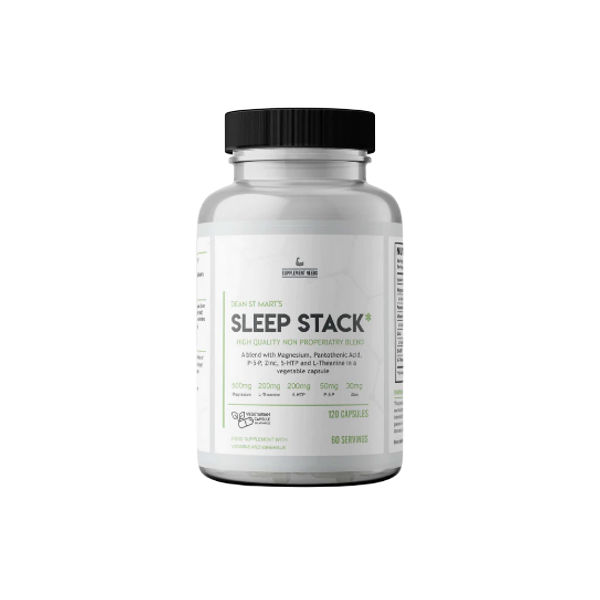
Imagine waking up every morning feeling refreshed, energized, and ready to tackle the day. No more groggy mornings, no more hitting the snooze button repeatedly. Sound too good to be true? It might not be. We're diving into the world of sleep optimization, exploring how combining the power of technology and carefully chosen supplements can unlock your best night's sleep yet.
Let's face it, tossing and turning all night is brutal. So is waking up feeling like you haven't slept at all, even after a full eight hours. Maybe you're staring at the ceiling at 3 AM, your mind racing with to-do lists and anxieties. Or perhaps you fall asleep easily but wake up several times throughout the night, leaving you exhausted by morning. These restless nights affect everything – your mood, your productivity, even your overall health.
The goal is simple: to help you achieve consistently deep, restorative sleep. This involves understanding your sleep patterns, identifying areas for improvement, and implementing a personalized strategy that combines the best of both worlds – technology and supplementation. We're talking about a holistic approach to sleep, designed to help you fall asleep faster, stay asleep longer, and wake up feeling truly revitalized.
In this article, we'll explore the fascinating intersection of sleep technology and supplements, uncovering how these tools can work together to optimize your rest. We'll delve into specific technologies, like sleep trackers and smart lighting, and examine the science-backed supplements that can naturally promote relaxation and improve sleep quality. Get ready to unlock the secrets to a perfect night's sleep and transform your well-being.
My Personal Journey with Sleep Stacking
I used to be a terrible sleeper. I'd lie awake for hours, my mind a whirlwind of thoughts. I tried everything – counting sheep, reading boring books, even meditation apps. Some things helped a little, but nothing provided consistent, lasting relief. Then, I stumbled upon the concept of sleep stacking. At first, I was skeptical. Could combining tech and supplements really make a difference?
I started with a simple sleep tracker. It was eye-opening to see just how fragmented my sleep was. I also discovered I was spending way too much time on my phone before bed. That realization alone prompted me to establish a "tech curfew" an hour before bedtime. Next, I introduced magnesium glycinate, a supplement known for its calming effects. I started noticing a subtle but significant difference. I was falling asleep faster and waking up fewer times during the night.
Over time, I experimented with other supplements, like L-theanine and melatonin (in very small doses). I also invested in blackout curtains and a white noise machine. Slowly but surely, my sleep quality improved dramatically. Now, I consistently get 7-8 hours of restful sleep. My mood is better, my energy levels are higher, and I'm more productive than ever before. Sleep stacking isn't a magic bullet, but it's a powerful tool for anyone struggling with sleep issues. It's about understanding your individual needs and creating a personalized plan that works for you.
What is The Sleep Stack?
The sleep stack is a multifaceted approach to improving sleep quality by strategically combining technology and supplements. It's not a one-size-fits-all solution, but rather a personalized plan tailored to address individual sleep challenges. The foundation of a sleep stack typically includes sleep tracking technology, such as wearable devices or bedside monitors, to gather data on sleep patterns, duration, and quality. This data provides valuable insights into areas for improvement.
Complementing the technological aspect, the sleep stack incorporates specific supplements known for their sleep-promoting properties. These supplements may include magnesium, melatonin, L-theanine, valerian root, chamomile, and others, each with its own mechanism of action to support relaxation, reduce anxiety, and improve sleep onset and maintenance. The key is to select supplements based on individual needs and sensitivities, and to use them in conjunction with healthy sleep hygiene practices.
Beyond technology and supplements, the sleep stack also emphasizes the importance of creating a conducive sleep environment. This includes optimizing bedroom temperature, ensuring darkness and quiet, and establishing a consistent sleep-wake schedule. It's a holistic approach that addresses multiple factors influencing sleep quality, leading to a more comprehensive and effective solution.
History and Myth of Sleep Stacking
While the term "sleep stack" is relatively new, the concept of using natural remedies and lifestyle adjustments to improve sleep dates back centuries. Ancient civilizations recognized the importance of sleep and employed various techniques to promote relaxation and rest. Herbal remedies, such as chamomile and valerian root, have been used for centuries to calm the mind and induce sleep. Practices like meditation and yoga, originating in ancient India, have also been shown to improve sleep quality by reducing stress and promoting relaxation.
The modern sleep stack takes these traditional approaches a step further by incorporating technology to gain a deeper understanding of individual sleep patterns. The advent of sleep trackers has allowed individuals to monitor their sleep stages, identify sleep disturbances, and track the effectiveness of different interventions. This data-driven approach enables a more personalized and targeted approach to sleep optimization.
Despite the growing popularity of sleep stacking, some myths surround the practice. One common myth is that supplements are a quick fix for sleep problems. While supplements can be helpful, they are most effective when combined with healthy sleep hygiene practices and a conducive sleep environment. Another myth is that more is better when it comes to supplements. Overdosing on certain supplements can have adverse effects, so it's essential to follow recommended dosages and consult with a healthcare professional if needed.
The Hidden Secret of The Sleep Stack
The true "hidden secret" of the sleep stack isn't a specific supplement or technology, but rather thepersonalizedapproach. It's about understanding that everyone's sleep challenges are unique and require a tailored solution. What works for one person might not work for another.
Many people fall into the trap of blindly following generic advice or relying on a single product to solve their sleep problems. They might try a popular sleep aid or download a meditation app without first identifying the root cause of their sleep issues. This can lead to frustration and disappointment when these solutions fail to deliver the desired results.
The key to unlocking the power of the sleep stack lies in self-experimentation and data analysis. Start by tracking your sleep patterns to identify any potential disturbances or inefficiencies. Then, gradually introduce different supplements or technologies, one at a time, and monitor their impact on your sleep quality. Keep a detailed record of your experiences, noting any improvements or side effects. This iterative process allows you to fine-tune your sleep stack and create a personalized plan that addresses your specific needs and goals.
Recommendation of The Sleep Stack
If you're considering implementing a sleep stack, I recommend starting with a few foundational elements. First, invest in a reliable sleep tracker, whether it's a wearable device or a bedside monitor. This will provide you with valuable data on your sleep patterns and help you identify areas for improvement.
Next, focus on optimizing your sleep environment. Ensure your bedroom is dark, quiet, and cool. Invest in blackout curtains, a white noise machine, or a comfortable mattress and pillows. Establish a consistent sleep-wake schedule, even on weekends, to regulate your body's natural circadian rhythm.
Regarding supplements, I recommend starting with magnesium glycinate, as it's generally well-tolerated and has a calming effect. You can also consider L-theanine, which promotes relaxation without causing drowsiness. If you're struggling with sleep onset, a low dose of melatonin may be helpful. However, it's important to use melatonin sparingly and consult with a healthcare professional before taking it regularly.
Remember to introduce these elements gradually and monitor their impact on your sleep quality. Keep a detailed record of your experiences and adjust your sleep stack as needed. Be patient and persistent, and don't be afraid to experiment until you find a combination that works for you.
Diving Deeper: Specific Supplements to Consider
Let's explore some specific supplements that are commonly used in sleep stacks. Magnesium glycinate is a popular choice due to its calming effects and ability to promote muscle relaxation. It can help reduce anxiety and improve sleep onset. L-theanine is an amino acid found in green tea that promotes relaxation without causing drowsiness. It can help calm the mind and reduce stress, making it easier to fall asleep.
Melatonin is a hormone that regulates the sleep-wake cycle. It's often used to treat jet lag or insomnia caused by disrupted sleep schedules. However, it's important to use melatonin sparingly and at a low dose, as excessive amounts can disrupt your natural sleep rhythm. Valerian root is an herb that has been used for centuries to treat insomnia. It's believed to increase levels of GABA, a neurotransmitter that promotes relaxation.
Chamomile is another herb that has calming properties. It's often consumed as a tea before bed to promote relaxation and improve sleep quality. It's important to note that supplements can interact with medications or have side effects. Therefore, it's always best to consult with a healthcare professional before adding any new supplements to your routine.
Tips for Implementing Your Sleep Stack
Consistency is key. Establish a regular sleep-wake schedule and stick to it as much as possible, even on weekends. This helps regulate your body's natural circadian rhythm and improve sleep quality. Create a relaxing bedtime routine. This could include taking a warm bath, reading a book, or listening to calming music. Avoid screen time for at least an hour before bed, as the blue light emitted from electronic devices can interfere with melatonin production.
Optimize your sleep environment. Ensure your bedroom is dark, quiet, and cool. Use blackout curtains, a white noise machine, or earplugs to minimize distractions. Avoid caffeine and alcohol before bed. These substances can interfere with sleep onset and maintenance. Practice relaxation techniques. Meditation, deep breathing exercises, or progressive muscle relaxation can help calm the mind and reduce stress.
Be patient and persistent. It may take time to find the right combination of supplements and technologies that works for you. Don't get discouraged if you don't see results immediately. Keep experimenting and adjusting your sleep stack until you find a personalized plan that helps you achieve consistently deep, restorative sleep.
Troubleshooting Common Sleep Stack Issues
What if you're not seeing the results you expected from your sleep stack? It's important to troubleshoot potential issues and make adjustments as needed. First, review your sleep hygiene practices. Are you consistently following a regular sleep-wake schedule? Are you avoiding caffeine and alcohol before bed? Are you creating a relaxing bedtime routine?
If your sleep hygiene is on point, consider reevaluating your supplement choices. Are you taking the correct dosages? Are you taking the supplements at the right time? Are you experiencing any side effects? It's possible that you may need to adjust the type or dosage of supplements you're taking.
Another potential issue is that your sleep problems may be caused by an underlying medical condition. If you're experiencing persistent sleep difficulties, it's important to consult with a healthcare professional to rule out any potential medical causes. They may recommend further testing or treatment. Finally, remember that sleep stacking is not a quick fix. It takes time and effort to find the right combination of supplements and technologies that works for you. Be patient and persistent, and don't be afraid to experiment until you achieve your desired results.
Fun Facts About Sleep
Did you know that humans spend about one-third of their lives sleeping? That's a lot of time dedicated to rest and recovery! Sleep is essential for a wide range of bodily functions, including memory consolidation, immune system function, and hormone regulation. During sleep, your brain processes information, consolidates memories, and clears out toxins. Your immune system also produces cytokines, proteins that help fight infection and inflammation.
Sleep deprivation can have serious consequences for your health. It can increase your risk of chronic diseases, such as heart disease, diabetes, and obesity. It can also impair your cognitive function, mood, and immune system. Interestingly, sleep patterns vary across cultures. Some cultures value afternoon naps, while others prioritize a consistent sleep-wake schedule. The optimal amount of sleep also varies from person to person. Some people can function well on 7 hours of sleep, while others need 9 hours or more.
Dreaming is another fascinating aspect of sleep. Dreams occur primarily during REM sleep, a stage characterized by rapid eye movements and increased brain activity. While the purpose of dreams is not fully understood, they may play a role in processing emotions, consolidating memories, and stimulating creativity. So, the next time you drift off to sleep, remember that your body and brain are hard at work, even while you're resting!
How to Create Your Own Sleep Stack
Creating your own personalized sleep stack requires a systematic approach and a willingness to experiment. Start by tracking your sleep for at least a week to establish a baseline. Use a sleep tracker or a simple sleep diary to record your sleep duration, sleep quality, and any sleep disturbances you experience.
Next, identify your primary sleep challenges. Are you struggling to fall asleep? Are you waking up frequently during the night? Are you feeling tired even after a full night's sleep? Once you've identified your sleep challenges, research potential solutions. Explore different supplements, technologies, and sleep hygiene practices that may be helpful.
Introduce new elements to your sleep stack one at a time. This allows you to isolate the effects of each intervention and determine what's working and what's not. Keep a detailed record of your experiences, noting any improvements or side effects. Be patient and persistent. It may take time to find the right combination of elements that works for you. Don't be afraid to experiment and adjust your sleep stack as needed. Remember, the goal is to create a personalized plan that addresses your specific needs and helps you achieve consistently deep, restorative sleep. It's also important to consult with a healthcare professional before starting any new supplement regimen, especially if you have any underlying health conditions or are taking medications.
What if The Sleep Stack Doesn't Work?
It's important to acknowledge that even with a well-designed sleep stack, some individuals may still struggle with sleep issues. If you've diligently implemented your sleep stack and haven't seen the desired results, it's time to explore other potential causes. First, consider underlying medical conditions. Sleep apnea, restless legs syndrome, and chronic pain can all disrupt sleep. Consult with a healthcare professional to rule out any potential medical causes.
Next, evaluate your lifestyle factors. Are you managing stress effectively? Are you getting enough exercise? Are you consuming too much caffeine or alcohol? Addressing these lifestyle factors can significantly improve sleep quality. Consider behavioral therapies. Cognitive behavioral therapy for insomnia (CBT-I) is a highly effective treatment for chronic insomnia. It involves learning techniques to change negative thoughts and behaviors that contribute to sleep problems.
Explore alternative therapies. Acupuncture, massage, and yoga may help promote relaxation and improve sleep quality. Be patient and persistent. It may take time to find the right combination of treatments that works for you. Don't give up hope. With the right approach, you can overcome your sleep challenges and achieve consistently restful sleep. Remember to consult with a healthcare professional before making any significant changes to your sleep stack or treatment plan.
Listicle: Top 5 Sleep Stack Essentials
Here's a quick rundown of 5 essential elements to consider for your sleep stack:
1.Sleep Tracker: A reliable device or app to monitor your sleep patterns and identify areas for improvement. Look for features like sleep stage tracking, heart rate monitoring, and sleep score analysis.
2.Magnesium Glycinate: A calming supplement that promotes muscle relaxation and reduces anxiety, improving sleep onset and quality.
3.Optimized Sleep Environment: A dark, quiet, and cool bedroom conducive to restful sleep. Invest in blackout curtains, a white noise machine, and a comfortable mattress and pillows.
4.Consistent Sleep-Wake Schedule: Maintaining a regular sleep-wake schedule, even on weekends, to regulate your body's natural circadian rhythm.
5.Relaxing Bedtime Routine: A series of calming activities performed before bed to prepare your mind and body for sleep. This could include taking a warm bath, reading a book, or listening to calming music.
By incorporating these essential elements into your sleep stack, you can create a personalized plan that addresses your specific needs and helps you achieve consistently deep, restorative sleep.
Question and Answer
Q: What if I don't want to take supplements?
A: That's perfectly fine! The technology aspect of the sleep stack – sleep trackers, smart lighting, white noise machines – can be incredibly effective on their own. Focus on optimizing your sleep environment and establishing healthy sleep habits.
Q: How long does it take to see results from a sleep stack?
A: It varies from person to person. Some people notice improvements within a week or two, while others may take several months. Consistency is key, so stick with your sleep stack and be patient.
Q: Is sleep stacking safe?
A: Generally, yes, when done responsibly. However, it's important to research supplements thoroughly and consult with a healthcare professional before starting any new regimen, especially if you have underlying health conditions or are taking medications.
Q: Can I use my phone as a sleep tracker?
A: While there are sleep tracking apps for phones, they're generally not as accurate as dedicated sleep trackers like wearable devices. These devices have sensors that can track your heart rate, movement, and other physiological data to provide more accurate sleep analysis.
Conclusion of The Sleep Stack: Combining Tech and Supplements for Perfect Rest
The journey to perfect sleep is a personal one, and the sleep stack offers a powerful framework for achieving your best rest. By thoughtfully combining technology to understand your sleep patterns with carefully selected supplements to support relaxation and sleep quality, you can unlock a new level of well-being. Remember, consistency, patience, and a personalized approach are key to success. Sweet dreams!
Comments
Post a Comment