Imagine a world where you could know about an impending illness days, maybe even weeks, before you start feeling any symptoms. No more sudden, debilitating sicknesses catching you off guard. What if your watch could tell you if you're about to get sick? Let's face it, dealing with health scares can be incredibly disruptive. The uncertainty, the doctor's visits, the impact on work and family – it all adds up. We long for a sense of control over our well-being, a way to be proactive instead of reactive when it comes to our health. That's precisely what we're exploring today: the potential of wearable technology to predict illness before symptoms even appear. We're diving into the science, the possibilities, and the current state of wearables that promise to give us a head start on staying healthy. This article examines the emerging field of predictive wearables. We'll discuss how these devices use sophisticated sensors and ...
Ever find yourself staring blankly at a page, struggling to recall a simple fact? Or maybe you're in a meeting, and your mind just seems to drift, making it hard to concentrate on what's being said. We've all been there – those moments when our brain feels like it's running on empty.
It's frustrating when your mental sharpness isn't at its peak. Deadlines loom, important information slips through the cracks, and the feeling of being mentally foggy can impact everything from work performance to personal relationships. The constant search for focus and clarity can sometimes feel like an uphill battle.
This article aims to explore the fascinating connection between food and brain function. We'll delve into the specific nutrients and compounds found in certain foods that can help sharpen your memory, enhance your focus, and support overall cognitive health. Get ready to fuel your brain with the right choices!
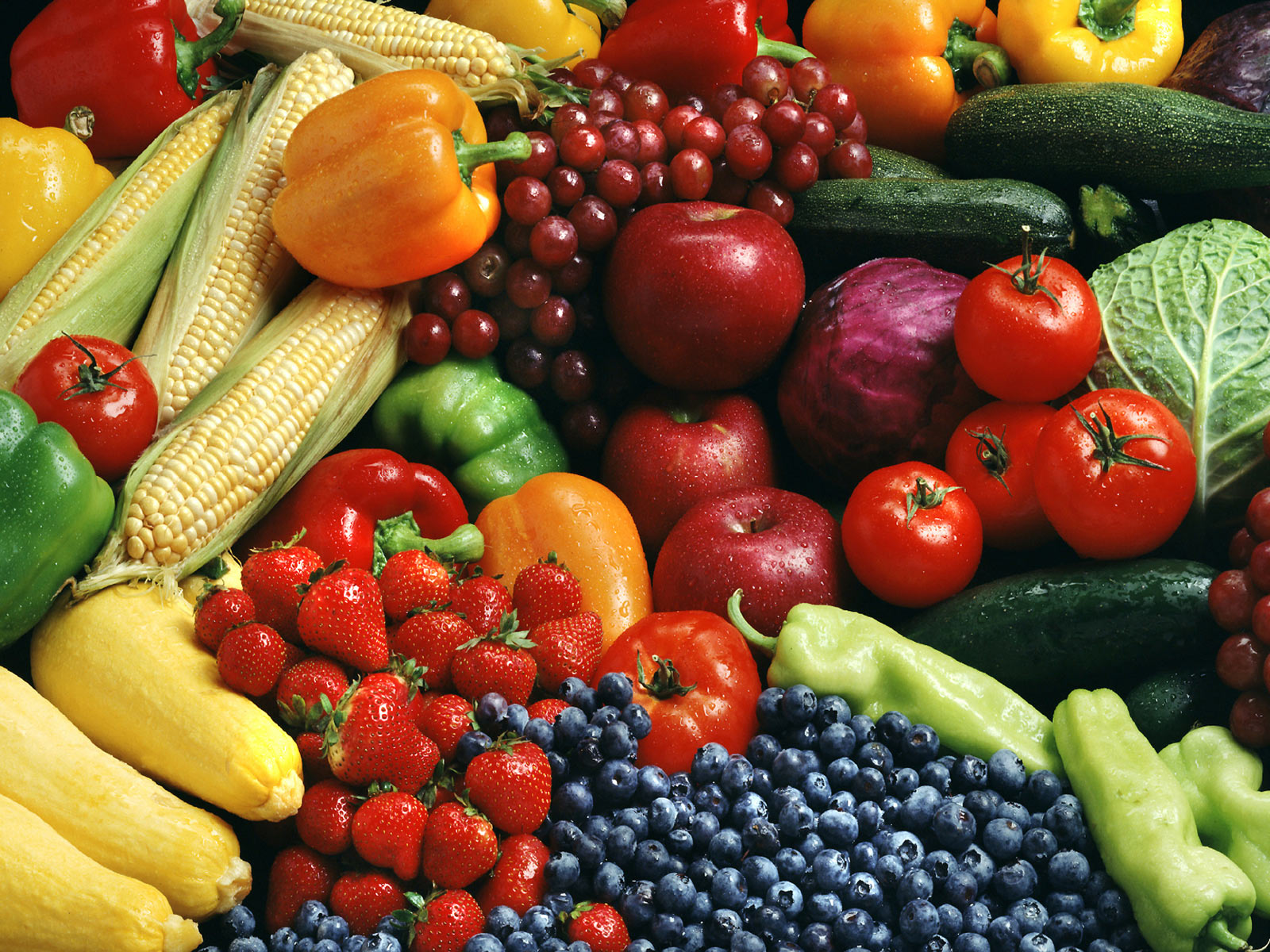
We'll be exploring how specific foods, rich in antioxidants, healthy fats, and essential vitamins, can contribute to a sharper memory and improved focus. From the vibrant colors of berries to the omega-3 power of fish, we'll uncover the natural allies that can help you think clearer and remember better. This isn't about quick fixes, but about building a sustainable dietary approach to support long-term brain health. Keywords we'll touch on include: brain food, memory improvement, focus enhancement, cognitive function, healthy diet, and nutrition for the brain.
Brain-Boosting Breakfasts
For me, the biggest difference I've noticed in my cognitive function has come from paying attention to my breakfast choices. I used to grab whatever was quickest – a sugary cereal bar or nothing at all. Predictably, by mid-morning, my energy would crash, and my ability to concentrate would plummet. I was in my early 30's and already feeling myself getting older. It wasn't fun! Then, I decided to experiment with incorporating more brain-friendly foods into my morning routine. I started adding blueberries to my oatmeal, sprinkling walnuts on my yogurt, and even incorporating some spinach into my morning smoothies. The change was subtle at first, but over time, I realized I was experiencing fewer mental slumps and could stay focused for longer stretches. The impact of these changes made my life much better!
Starting your day with a brain-boosting breakfast is crucial for setting the stage for optimal cognitive function throughout the day. Foods rich in complex carbohydrates, protein, and healthy fats provide sustained energy and essential nutrients for the brain. Oatmeal, for example, provides a slow release of glucose, preventing energy crashes and maintaining stable blood sugar levels. Adding berries, like blueberries and strawberries, offers a powerful dose of antioxidants, protecting brain cells from damage and improving memory. Nuts and seeds, such as walnuts and chia seeds, provide healthy fats, which are essential for brain structure and function. Including a source of protein, like Greek yogurt or eggs, helps support the production of neurotransmitters that are vital for focus and alertness. By prioritizing a nutritious breakfast, you can enhance your cognitive performance and stay sharp throughout the morning.
The Power of Omega-3 Fatty Acids
Omega-3 fatty acids are essential fats that play a crucial role in brain health and cognitive function. They are a major component of brain cell membranes, supporting their structure and function. Omega-3s also help reduce inflammation in the brain, protecting it from damage and promoting optimal cognitive performance. There are three main types of omega-3 fatty acids: ALA (alpha-linolenic acid), EPA (eicosapentaenoic acid), and DHA (docosahexaenoic acid). EPA and DHA are particularly important for brain health and are primarily found in fatty fish, such as salmon, tuna, and mackerel. ALA is found in plant-based sources, such as flaxseeds, chia seeds, and walnuts. The body can convert ALA into EPA and DHA, but the conversion rate is often low.
In terms of omega-3 fatty acids, their history extends far back. People have long understood the importance of fats for overall health, even without knowing the specific science behind it. In fact, ancient cultures valued fish as a source of strength and vitality. The understanding of omega-3s as distinct compounds beneficial for brain health is relatively more recent. In myth, fish were sometimes associated with wisdom or knowledge. In some cultures, eating certain types of fish was believed to enhance intelligence or grant special insights. While these stories might be steeped in legend, they reflect a long-standing recognition of the connection between diet and mental prowess. Now, science is proving the validity of these age-old observations.
Unlocking the Antioxidant Advantage
Antioxidants are compounds that protect cells from damage caused by free radicals, unstable molecules that can contribute to aging and various health problems. The brain is particularly vulnerable to free radical damage due to its high metabolic activity and oxygen consumption. Antioxidants work by neutralizing free radicals, preventing them from harming brain cells and supporting optimal cognitive function. Many foods are rich in antioxidants, including fruits, vegetables, nuts, seeds, and even some spices. Berries, such as blueberries, strawberries, and raspberries, are particularly high in antioxidants, specifically anthocyanins, which have been shown to improve memory and cognitive function. Dark leafy greens, like spinach and kale, also contain a variety of antioxidants, including vitamin C and vitamin E. By incorporating a variety of antioxidant-rich foods into your diet, you can help protect your brain from damage and support long-term cognitive health.
Often overlooked is the importance of hydration for brain function. Dehydration can impair cognitive performance, leading to fatigue, difficulty concentrating, and impaired memory. Water is essential for transporting nutrients to the brain and removing waste products. Staying adequately hydrated is crucial for maintaining optimal cognitive function. A helpful tip is to carry a water bottle with you throughout the day and sip on it regularly. You can also incorporate hydrating foods into your diet, such as fruits and vegetables with high water content, like watermelon, cucumber, and celery. The goal is to ensure a steady stream of hydration to keep your brain functioning at its best.
Spices that Stimulate Your Mind
Certain spices have been shown to have cognitive-enhancing properties, making them valuable additions to your diet. Turmeric, for example, contains curcumin, a potent antioxidant and anti-inflammatory compound. Curcumin has been shown to improve memory, protect against cognitive decline, and even promote the growth of new brain cells. Cinnamon is another spice that has been linked to improved cognitive function. It can enhance memory and attention, and may also help regulate blood sugar levels, which can indirectly benefit brain health. Other spices that may have cognitive benefits include ginger, saffron, and rosemary. Incorporating these spices into your meals can add flavor and provide a boost to your brainpower.
The Power of a Balanced Diet
While specific foods can certainly boost memory and focus, it's important to remember that a balanced and varied diet is essential for overall brain health. The brain requires a constant supply of nutrients to function optimally, and deficiencies in certain vitamins and minerals can impair cognitive performance. A well-rounded diet should include a variety of fruits, vegetables, whole grains, lean protein, and healthy fats. Limiting processed foods, sugary drinks, and unhealthy fats is also important for protecting brain health. These foods can contribute to inflammation and oxidative stress, which can harm brain cells and impair cognitive function.
Prioritize Protein for Peak Performance
Protein is essential for building and repairing tissues, including brain cells. It also plays a crucial role in the production of neurotransmitters, the chemical messengers that transmit signals between brain cells. A deficiency in protein can lead to fatigue, difficulty concentrating, and impaired memory. Aim to include a source of protein in every meal, such as lean meats, poultry, fish, eggs, beans, lentils, or tofu. Protein not only supports brain health but also helps keep you feeling full and satisfied, preventing overeating and maintaining stable blood sugar levels.
Fun Facts About Brain Food
Did you know that the human brain is only about 2% of your body weight but uses about 20% of your body's energy? This demonstrates how crucial it is to fuel your brain with the right nutrients. Another interesting fact is that the brain continues to develop until around the age of 25. During this time, providing your brain with the building blocks it needs is essential for optimal cognitive development. Furthermore, certain foods can actually change the structure and function of the brain. For example, omega-3 fatty acids can increase the size of the hippocampus, the brain region responsible for memory. These fun facts highlight the powerful impact that food has on our brains and our overall well-being.
How to Incorporate Brain-Boosting Foods into Your Daily Routine
Making gradual changes to your diet is often more sustainable than trying to overhaul everything at once. Start by identifying one or two brain-boosting foods that you can easily incorporate into your daily meals. For example, you could add a handful of blueberries to your breakfast cereal or snack on some walnuts in the afternoon. As you become more comfortable with these changes, you can gradually add more brain-friendly foods to your diet. Meal planning can also be a helpful tool for ensuring that you're getting a variety of nutrients throughout the week. By taking small, consistent steps, you can transform your diet into a brain-boosting powerhouse.
What If You Don't Eat Enough Brain Food?
Consistently under-fueling your brain can have several negative consequences. You might experience difficulty concentrating, impaired memory, and increased fatigue. Over time, chronic deficiencies in essential nutrients can increase the risk of cognitive decline and neurodegenerative diseases. It's important to prioritize your brain health by providing it with the nutrients it needs to function optimally. If you're struggling to get enough brain-boosting foods in your diet, consider consulting with a registered dietitian or healthcare professional. They can help you develop a personalized meal plan and identify any nutrient deficiencies you may have.
Top 10 Brain-Boosting Foods: A Quick Listicle
Here's a quick rundown of ten of the most effective foods for improving memory and focus:
- Blueberries: Rich in antioxidants and shown to improve memory.
- Fatty Fish (Salmon, Tuna, Mackerel): Excellent source of omega-3 fatty acids.
- Walnuts: Provide healthy fats and antioxidants.
- Avocados: Offer healthy fats and support blood flow to the brain.
- Eggs: Contain choline, essential for brain cell structure.
- Spinach: Rich in antioxidants and vitamins.
- Dark Chocolate: Contains flavonoids, which can improve cognitive function.
- Turmeric: Contains curcumin, a potent anti-inflammatory compound.
- Green Tea: Provides antioxidants and L-theanine, which can enhance focus.
- Pumpkin Seeds: Good source of zinc, which is important for memory and thinking skills.
These foods are a great starting point for incorporating more brain-boosting nutrients into your diet. Experiment with different recipes and find ways to enjoy these foods regularly.
Question and Answer Section About Foods That Improve Memory and Focus
Q: What is the most important nutrient for brain health?
A: While many nutrients are important, omega-3 fatty acids are particularly crucial for brain health due to their role in brain cell structure and function.
Q: How long does it take to see the effects of eating brain-boosting foods?
A: It varies from person to person, but many people notice improvements in focus and energy within a few weeks of incorporating more brain-friendly foods into their diet. Long-term benefits, such as improved memory and reduced risk of cognitive decline, may take longer to manifest.
Q: Are supplements necessary for brain health?
A: While a healthy diet should be the foundation of brain health, supplements can be helpful for filling in any nutrient gaps. However, it's always best to consult with a healthcare professional before taking any supplements.
Q: Can diet really prevent cognitive decline?
A: While diet isn't a guaranteed cure, a healthy diet rich in brain-boosting foods can significantly reduce the risk of cognitive decline and neurodegenerative diseases.
Conclusion of Foods That Improve Memory and Focus
Ultimately, the journey to a sharper mind starts on your plate. By consciously incorporating foods that fuel your brain, you can unlock your cognitive potential and enjoy a clearer, more focused, and more vibrant life. Remember, it's not about perfection, but about making consistent, positive choices that nourish both your body and your mind.
Comments
Post a Comment