Imagine a world where you could know about an impending illness days, maybe even weeks, before you start feeling any symptoms. No more sudden, debilitating sicknesses catching you off guard. What if your watch could tell you if you're about to get sick? Let's face it, dealing with health scares can be incredibly disruptive. The uncertainty, the doctor's visits, the impact on work and family – it all adds up. We long for a sense of control over our well-being, a way to be proactive instead of reactive when it comes to our health. That's precisely what we're exploring today: the potential of wearable technology to predict illness before symptoms even appear. We're diving into the science, the possibilities, and the current state of wearables that promise to give us a head start on staying healthy. This article examines the emerging field of predictive wearables. We'll discuss how these devices use sophisticated sensors and ...
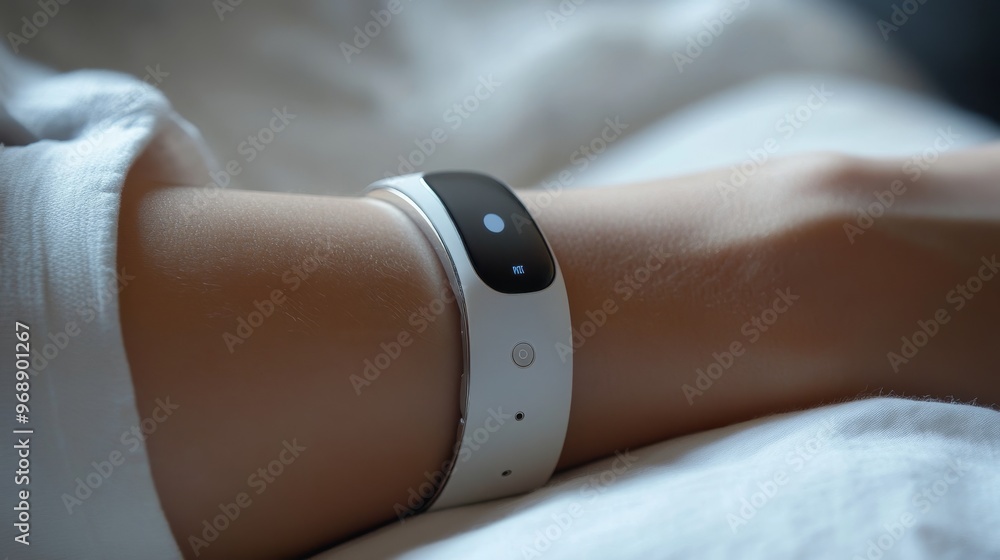
Imagine a world where you could know about an impending illness days, maybe even weeks, before you start feeling any symptoms. No more sudden, debilitating sicknesses catching you off guard. What if your watch could tell you if you're about to get sick?
Let's face it, dealing with health scares can be incredibly disruptive. The uncertainty, the doctor's visits, the impact on work and family – it all adds up. We long for a sense of control over our well-being, a way to be proactive instead of reactive when it comes to our health.
That's precisely what we're exploring today: the potential of wearable technology to predict illness before symptoms even appear. We're diving into the science, the possibilities, and the current state of wearables that promise to give us a head start on staying healthy.
This article examines the emerging field of predictive wearables. We'll discuss how these devices use sophisticated sensors and algorithms to monitor vital signs, sleep patterns, and activity levels, looking for subtle deviations from your personal baseline. We'll explore the specific biomarkers being tracked, the challenges in ensuring accuracy and privacy, and the potential impact on healthcare and individual wellness. Ultimately, we'll consider if these devices are truly the future of preventative medicine or just another tech trend.
The Science Behind Early Detection
I remember when my grandfather was diagnosed with pneumonia. He seemed fine one day, and the next he was struggling to breathe. If we'd had some advance warning, maybe things would have been different. That's the hope behind these predictive wearables – to catch things early, when interventions are more effective. At its core, this relies on the fact that your body gives off subtle signals long before you feel sick.Your heart rate might subtly increase, your sleep patterns might become disrupted, or your body temperature might fluctuate slightly. These changes, often imperceptible to us, can be picked up by the sensitive sensors in wearable devices.
Wearables are now equipped with accelerometers to track movement, gyroscopes to detect orientation, heart rate sensors, skin temperature sensors, and even sensors that can estimate blood oxygen levels. This data is then fed into complex algorithms that learn your individual baseline – what's "normal" for you. When the algorithm detects a significant deviation from this baseline, it can trigger an alert, suggesting you take steps to address a potential health issue. This is not about diagnosing diseases; it’s about providing early warnings that prompt further investigation with a healthcare professional. The potential applications are vast, ranging from early detection of infections like the flu or COVID-19 to identifying the onset of chronic conditions like diabetes or heart disease. The key is continuous monitoring and sophisticated data analysis, turning subtle physiological changes into actionable insights.
Types of Wearable Devices Used for Prediction
Wearable technology has evolved significantly in recent years. While the early iterations primarily focused on fitness tracking, today's devices offer a much wider range of health monitoring capabilities. We're not just talking about smartwatches anymore. Continuous glucose monitors (CGMs) have become increasingly popular for managing diabetes, providing real-time blood sugar readings without the need for frequent finger pricks. Other innovative wearables include patches that monitor vital signs like heart rate, respiration rate, and body temperature, as well as smart clothing embedded with sensors that track movement and posture. Even rings are getting in on the action, offering sleep tracking and heart rate variability (HRV) monitoring. These devices are becoming smaller, more comfortable, and more integrated into our daily lives.
Beyond the hardware, the software and algorithms are equally crucial. The effectiveness of these wearables depends on their ability to accurately interpret the data they collect. This requires sophisticated machine learning models that can differentiate between normal variations in physiological data and patterns that indicate potential health problems. The challenge lies in developing algorithms that are both sensitive enough to detect early warning signs and specific enough to avoid false alarms. This is an ongoing area of research, with companies and researchers constantly refining their algorithms and incorporating new biomarkers. As the technology advances, we can expect to see even more sophisticated and accurate predictive capabilities in wearable devices.
The History and Evolution of Predictive Wearables
The idea of using technology to predict illness isn't exactly new. For centuries, doctors have relied on observing a patient's vital signs and symptoms to diagnose and treat diseases. However, the advent of wearable technology has taken this concept to a whole new level. Early efforts in wearable health monitoring focused primarily on tracking fitness metrics like steps taken and calories burned. These devices were relatively simple, using basic sensors to collect data and providing limited insights. Over time, as sensor technology improved and computing power became more accessible, wearable devices became more sophisticated. They began incorporating more advanced sensors and algorithms, allowing them to track a wider range of physiological parameters.
The development of machine learning and artificial intelligence has further accelerated the evolution of predictive wearables. These technologies have enabled devices to learn individual baselines and detect subtle deviations that might indicate the onset of illness. Today, we're seeing wearable devices that can predict conditions like the flu, COVID-19, and even cardiovascular events with increasing accuracy. While the technology is still in its early stages, the potential benefits are enormous. As wearable devices become more commonplace and data analysis techniques continue to improve, we can expect to see even more accurate and reliable predictive capabilities in the future.
Hidden Secrets and Potential Pitfalls
One of the "hidden secrets" of predictive wearables lies in the power of personalized data. Each individual's body is unique, with its own distinct patterns and rhythms. To be truly effective, predictive wearables need to learn these individual patterns and adapt their algorithms accordingly. This requires continuous monitoring and data collection, which raises important questions about privacy and security. How is the data being stored and used? Who has access to it? These are critical considerations that need to be addressed as wearable technology becomes more prevalent.
Another potential pitfall is the risk of false alarms. Wearable devices are not perfect, and they can sometimes generate alerts that are not indicative of any real health problem. This can lead to unnecessary anxiety and medical interventions. It's important to remember that wearable devices are not a substitute for professional medical advice. They should be used as a tool to provide early warnings and prompt further investigation with a healthcare provider. Finally, there's the risk of over-reliance on technology. It's important to maintain a healthy lifestyle, including regular exercise, a balanced diet, and adequate sleep, regardless of what your wearable device tells you. Technology should be used to enhance our well-being, not to replace it.
Recommendations for Choosing a Predictive Wearable
If you're considering purchasing a predictive wearable, there are several factors to keep in mind. First and foremost, consider the specific health concerns you're interested in monitoring. Do you want to track your heart rate variability to assess your stress levels? Are you concerned about detecting early signs of infection? Different wearables offer different capabilities, so it's important to choose one that aligns with your individual needs.
Next, consider the accuracy and reliability of the device. Look for wearables that have been validated in clinical studies and that have a proven track record of performance. Read reviews from other users to get an idea of their experiences with the device. Finally, consider the privacy and security features of the wearable. Make sure the device encrypts your data and that the company has a clear privacy policy. Choose a wearable from a reputable manufacturer that you trust to protect your personal information. Remember, a predictive wearable is a tool to help you stay healthy, but it's important to use it wisely and responsibly.
Understanding Heart Rate Variability (HRV)
Heart Rate Variability (HRV) is the variation in time between each heartbeat. It's not just the average heart rate, but the subtle fluctuations in timing. A higher HRV generally indicates that your body is more adaptable and resilient, better equipped to handle stress and other challenges. Low HRV, on the other hand, can be a sign that your body is under stress, either from physical exertion, emotional distress, or illness.
Predictive wearables often track HRV to provide insights into your overall health and well-being. By monitoring your HRV over time, you can identify patterns and trends that might indicate the onset of illness or other health problems. For example, a sudden decrease in HRV might be a sign that you're coming down with a cold or flu. HRV can also be used to track your response to stress, sleep, and exercise. By understanding how these factors affect your HRV, you can make lifestyle changes to improve your overall health and resilience. It's important to note that HRV is highly individual, and what's considered a normal HRV can vary widely from person to person. That's why it's so important to establish a baseline HRV for yourself and track changes over time.
Tips for Using Predictive Wearables Effectively
To get the most out of your predictive wearable, it's important to use it consistently and correctly. Make sure you wear the device properly, following the manufacturer's instructions. Ensure the sensors are making good contact with your skin, and avoid wearing the device too tightly or too loosely. Regularly clean the device to prevent the buildup of sweat and dirt, which can interfere with the sensors.
It's also important to understand the data that your wearable is collecting. Take the time to learn about the different metrics being tracked and how they relate to your health. Don't just rely on the device to tell you what's going on. Be proactive in monitoring your own health and paying attention to any symptoms you might be experiencing. If you have any concerns about the data you're seeing, consult with a healthcare provider. Remember, a predictive wearable is a tool to help you stay healthy, but it's not a substitute for professional medical advice. Use it as part of a comprehensive approach to health and wellness, including regular checkups, a healthy lifestyle, and open communication with your doctor.
The Importance of Establishing a Baseline
Before you start using a predictive wearable to track your health, it's crucial to establish a baseline of your normal physiological data. This baseline serves as a reference point for detecting deviations that might indicate the onset of illness or other health problems. To establish a baseline, wear your device consistently for several weeks, tracking your vital signs, sleep patterns, and activity levels. Pay attention to any factors that might affect your data, such as stress, exercise, or illness. Record these factors in a journal or in the device's app. Once you've collected enough data, you can use it to create a personalized baseline that reflects your individual patterns and rhythms. This baseline will allow you to more accurately identify any significant deviations and take appropriate action.
Remember, everyone's body is different, and what's considered normal for one person might not be normal for another. Establishing a personalized baseline is the key to unlocking the full potential of predictive wearables. It allows you to track your health with greater precision and identify potential problems before they become serious. This proactive approach to health and wellness can empower you to take control of your well-being and live a healthier, happier life.
Fun Facts About Wearable Technology
Did you know that the first wearable device was actually an abacus ring worn by Chinese merchants in the 17th century? Or that the first digital wristwatch was invented in 1972? Wearable technology has come a long way since then! Today's wearable devices are packed with sensors and algorithms that can track everything from our heart rate and sleep patterns to our activity levels and even our mood.
Another fun fact: the market for wearable technology is expected to reach over $100 billion by 2025. That's a lot of smartwatches and fitness trackers! And it's not just consumers who are embracing wearable technology. Healthcare providers are also using wearable devices to monitor patients remotely and provide personalized care. From preventing falls in elderly patients to tracking the recovery of athletes after injuries, wearable technology is transforming the way we approach healthcare. Who knows what the future holds for wearable technology? With ongoing advancements in sensor technology, artificial intelligence, and data analysis, the possibilities are endless.
How to Interpret the Data from Your Wearable
Once you've established a baseline and started tracking your data, it's important to understand how to interpret the results. Start by looking for trends and patterns in your data over time. Are your heart rate variability or sleep quality consistently improving or declining? Are you noticing any significant deviations from your baseline? It's also important to consider the context of your data. Are you experiencing any stress, illness, or other factors that might be affecting your results? Keep a journal to track any relevant information that might help you interpret your data more accurately.
Most wearable devices come with apps that provide visualizations and insights into your data. Take advantage of these tools to better understand your trends and patterns. Look for apps that offer personalized recommendations and insights based on your data. If you have any concerns about your data, consult with a healthcare provider. They can help you interpret your results and determine if any further action is needed. Remember, a predictive wearable is a tool to help you stay healthy, but it's not a substitute for professional medical advice. Use it as a starting point for a conversation with your doctor about your overall health and well-being.
What If My Wearable Predicts an Illness?
If your wearable predicts an illness, the first thing to do is not panic. Wearable devices are not perfect, and they can sometimes generate false alarms. Before you take any action, try to verify the results by checking your symptoms and taking other measurements. Are you experiencing any of the common symptoms of the illness that your wearable predicted? Have you taken your temperature or blood pressure to confirm the results? If you're still concerned, consult with a healthcare provider.
They can help you interpret the results of your wearable and determine if any further action is needed. They may recommend additional testing to confirm the diagnosis and develop a treatment plan. It's important to remember that wearable devices are not a substitute for professional medical advice. They should be used as a tool to provide early warnings and prompt further investigation with a healthcare provider. Even if your wearable predicts an illness, it's important to stay calm, gather information, and consult with a professional before taking any action. Early detection can significantly improve the chances of a successful outcome.
Listicle: Top 5 Predictive Wearables on the Market
Choosing the right predictive wearable can be overwhelming, with so many options available. Here's a list of five top contenders, based on features, accuracy, and user reviews:
- Fitbit Sense 2: Offers comprehensive health tracking, including heart rate variability, skin temperature, and stress management tools.
- Apple Watch Series 8: Known for its ECG app, fall detection, and accurate heart rate monitoring.
- Oura Ring: Focuses on sleep tracking, heart rate variability, and activity tracking, providing insights into your overall well-being.
- Garmin Venu 2 Plus: Offers advanced fitness tracking features, as well as health monitoring tools like heart rate variability and respiration rate.
- Whoop 4.0: Designed for athletes, this wearable tracks strain, recovery, and sleep, providing personalized recommendations for optimizing performance.
Remember to do your research and choose a wearable that aligns with your specific health needs and preferences. Consider factors like accuracy, features, battery life, and user reviews before making a decision.
Question and Answer Section
Here are some common questions about wearables that predict illness, answered:
Question 1: Can a wearable device accurately diagnose an illness?
Answer: No. Wearable devices are not designed to diagnose illnesses. They can provide early warnings and alerts based on changes in your physiological data, but a medical professional is needed to confirm any diagnosis.
Question 2: How do predictive wearables protect my privacy?
Answer: Reputable wearable manufacturers use encryption and other security measures to protect your data. It's important to review the privacy policy of any device you're considering to understand how your data will be stored and used.
Question 3: What if my wearable gives me a false alarm?
Answer: False alarms can happen. Verify the results by checking your symptoms and taking other measurements. If you're still concerned, consult with a healthcare provider.
Question 4: Are predictive wearables covered by insurance?
Answer: Some insurance plans may cover certain wearable devices, especially if they are prescribed by a doctor for a specific medical condition. Check with your insurance provider to see if your plan offers any coverage.
Conclusion of Wearables That Predict Illness Before Symptoms Appear
The potential of wearables to predict illness before symptoms appear is truly revolutionary. While the technology is still evolving, it offers a glimpse into a future where healthcare is more proactive, personalized, and preventative. By harnessing the power of continuous monitoring and sophisticated data analysis, these devices have the potential to empower individuals to take control of their health and well-being. However, it's crucial to approach this technology with a balanced perspective, understanding its limitations and potential pitfalls. By using wearable devices responsibly and in conjunction with professional medical advice, we can unlock their full potential and pave the way for a healthier future.
Comments
Post a Comment