Imagine a world where you could know about an impending illness days, maybe even weeks, before you start feeling any symptoms. No more sudden, debilitating sicknesses catching you off guard. What if your watch could tell you if you're about to get sick? Let's face it, dealing with health scares can be incredibly disruptive. The uncertainty, the doctor's visits, the impact on work and family – it all adds up. We long for a sense of control over our well-being, a way to be proactive instead of reactive when it comes to our health. That's precisely what we're exploring today: the potential of wearable technology to predict illness before symptoms even appear. We're diving into the science, the possibilities, and the current state of wearables that promise to give us a head start on staying healthy. This article examines the emerging field of predictive wearables. We'll discuss how these devices use sophisticated sensors and ...
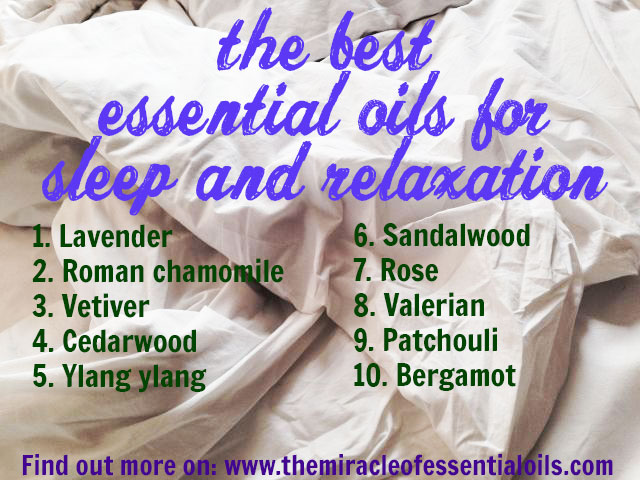
Tossing and turning, mind racing, unable to switch off? We've all been there. The quest for a good night's sleep can feel like an endless battle, leaving you drained and frustrated. What if I told you there's a natural, aromatic way to gently guide you towards peaceful slumber and a more relaxed state of mind?
It's exhausting, isn't it? The constant pressure to perform, the never-ending to-do lists, and the feeling that you're always running on empty. When you finally get a chance to rest, your body betrays you, leaving you wide awake, replaying the day's events or worrying about tomorrow. It’s difficult to find a natural way to relax.
This guide explores the wonderful world of essential oils and how they can be your allies in achieving better sleep and promoting relaxation. We'll delve into the specific oils known for their calming properties, how to use them effectively, and how to create a soothing aromatherapy routine that fits your lifestyle.
In this post, we'll uncover the secrets of using essential oils like Lavender, Chamomile, and Cedarwood to soothe your mind and body. We'll explore various application methods, from diffusers to topical blends, and discover how these natural remedies can help you unwind and enjoy a more restful night. Get ready to say goodbye to restless nights and hello to sweet dreams with the power of aromatherapy!
Unlocking the Power of Lavender Essential Oil
Lavender. Just the name evokes a sense of calm and tranquility, doesn't it? I remember the first time I truly experienced the power of lavender. I was struggling with intense anxiety before a big presentation, and a friend suggested I try lavender essential oil. Skeptical but desperate, I put a few drops in a diffuser and let the aroma fill the room. Almost instantly, I felt a wave of calmness wash over me. My heart rate slowed, my breathing deepened, and my racing thoughts began to quiet down. I was able to focus on preparing for my presentation with a clear and collected mind. Lavender's magic lies in its chemical composition, specifically linalool and linalyl acetate. These compounds are believed to interact with neurotransmitters in the brain, promoting relaxation and reducing anxiety. It's not just a placebo effect, either! Studies have shown that lavender can significantly improve sleep quality, reduce restlessness, and even alleviate symptoms of mild insomnia. From pillow sprays to bath soaks, the versatility of lavender makes it a staple in any aromatherapy arsenal. It is one of the best essential oils for relaxation, as well.
Chamomile Essential Oil: More Than Just Tea
Chamomile is often associated with a calming cup of tea before bed, but its essential oil packs an even more potent punch when it comes to promoting relaxation and sleep. There are two main types of chamomile essential oil: Roman chamomile and German chamomile. Roman chamomile has a sweeter, fruitier aroma, while German chamomile has a slightly more herbaceous scent. Both possess calming properties, but German chamomile is known for its anti-inflammatory benefits, making it particularly useful for soothing irritated skin or muscles. The key component in chamomile essential oil responsible for its calming effects is bisabolol, which helps to reduce anxiety and promote a sense of tranquility. Chamomile is also thought to influence the production of melatonin, the hormone that regulates sleep-wake cycles. Its gentle and soothing nature makes it an excellent choice for children and those with sensitive skin. Whether diffused, added to a warm bath, or diluted with a carrier oil for massage, chamomile essential oil is a versatile and effective tool for achieving a peaceful state of mind and body before sleep. It is one of the best essential oils for sleep, as well.
The Ancient Wisdom of Cedarwood Essential Oil
Cedarwood essential oil boasts a rich history, dating back to ancient civilizations who used it for everything from building temples to embalming the dead. The ancient Egyptians valued cedarwood for its antiseptic and insect-repellent properties, while Native American tribes used it for its spiritual and healing qualities. The scent of cedarwood is grounding and woody, evoking a sense of stability and strength. It's believed to have a calming effect on the nervous system, reducing anxiety and promoting relaxation. The primary compound responsible for these benefits is cedrol, which has been shown to have sedative and anti-anxiety effects. Cedarwood essential oil is also known to improve focus and concentration, making it a helpful tool for those who struggle with racing thoughts before bed. Its earthy aroma can create a peaceful and grounding atmosphere, perfect for unwinding after a long day. Whether diffused, added to a massage oil, or inhaled directly, cedarwood essential oil offers a timeless and effective way to promote relaxation and improve sleep quality. Its unique and comforting scent connects us to the ancient wisdom of the natural world. It is one of the best essential oils for sleep, as well.
Hidden Secrets: How Essential Oil Blends Enhance Sleep
While individual essential oils offer distinct benefits, the real magic often happens when you combine them in synergistic blends. The key to creating effective sleep blends lies in understanding how different oils complement each other and target specific sleep-related issues. For example, a blend of lavender, chamomile, and frankincense can be incredibly powerful for reducing anxiety and promoting relaxation. Lavender's calming properties work in harmony with chamomile's soothing effects, while frankincense adds a grounding and meditative element to the blend. Another popular combination is cedarwood, vetiver, and sweet orange. Cedarwood provides a sense of stability, vetiver helps to calm the nervous system, and sweet orange adds a touch of uplifting positivity. Experimenting with different blends is key to finding what works best for you. Consider your individual needs and preferences when creating your own custom aromatherapy recipes. Remember to always dilute essential oils properly with a carrier oil before applying them topically, and be mindful of any potential allergies or sensitivities. Unlocking the hidden secrets of essential oil blends can transform your sleep routine and help you achieve a deeper, more restful slumber. It is one of the best essential oils for sleep, as well.
Expert Recommendations: Top Essential Oil Products for Sleep
With so many essential oil brands and products on the market, it can be overwhelming to know where to start. That's why I've compiled a list of my top recommendations for sleep-enhancing essential oil products. For diffusers, I highly recommend the ultrasonic diffusers. For pre-made blends, I suggest trying the "Sleep Well" blend. For carrier oils, jojoba oil is a great option. When choosing essential oils, always opt for reputable brands that offer 100% pure, therapeutic-grade oils. Pay attention to the country of origin and the extraction method, as these factors can significantly impact the quality and potency of the oil. Reading customer reviews and doing your research can help you make informed decisions and avoid purchasing low-quality or adulterated products. Investing in high-quality essential oils is an investment in your well-being. By choosing the right products, you can maximize the benefits of aromatherapy and create a sleep routine that truly works for you. It is one of the best essential oils for relaxation, as well.
Understanding the Science Behind Aromatherapy and Sleep
Aromatherapy works by stimulating the olfactory system, which is directly connected to the brain's limbic system. The limbic system plays a crucial role in regulating emotions, memory, and the autonomic nervous system. When you inhale essential oil molecules, they travel through the nasal passages and bind to olfactory receptors. These receptors then send signals to the brain, triggering a cascade of physiological and psychological responses. For example, lavender essential oil can stimulate the release of GABA, a neurotransmitter that inhibits nerve activity and promotes relaxation. Similarly, chamomile essential oil can influence the production of melatonin, the hormone that regulates sleep-wake cycles. The effectiveness of aromatherapy also depends on factors such as the concentration of the essential oil, the method of application, and individual sensitivity. While aromatherapy is generally considered safe, it's important to use essential oils responsibly and follow safety guidelines. This includes diluting essential oils properly, avoiding internal use, and being mindful of potential allergies or sensitivities. By understanding the science behind aromatherapy, you can appreciate its potential benefits and use essential oils more effectively to improve your sleep and overall well-being.
Essential Oil Application Tips for Optimal Sleep
To reap the full benefits of essential oils for sleep, it's crucial to understand the various application methods and choose the ones that best suit your needs and preferences. Here are some essential oil application tips: Diffusing essential oils is a simple and effective way to create a relaxing atmosphere in your bedroom. Add a few drops of your favorite sleep-enhancing essential oil to a diffuser and let the aroma fill the room for 30-60 minutes before bedtime. Topical application involves diluting essential oils with a carrier oil and applying them to the skin. Popular areas for topical application include the temples, wrists, neck, and feet. Creating a sleep-enhancing bath soak can be a luxurious way to unwind before bed. Add a few drops of your favorite essential oils to a warm bath along with Epsom salts or a natural bath base. Inhaling essential oils directly from the bottle or from a cotton ball can provide a quick and convenient way to experience their benefits. Creating a pillow spray by combining essential oils with distilled water in a spray bottle and misting it over your pillow before bed. Experiment with different application methods to find what works best for you. It is one of the best essential oils for sleep, as well.
Safety Considerations When Using Essential Oils
While essential oils offer numerous benefits, it's crucial to use them safely and responsibly. Essential oils are highly concentrated and can cause irritation or allergic reactions if not used properly. Always dilute essential oils with a carrier oil before applying them topically. Common carrier oils include jojoba oil, coconut oil, almond oil, and grapeseed oil. Start with a low concentration (1-3%) and gradually increase as needed. Avoid internal use of essential oils unless under the guidance of a qualified aromatherapist or healthcare professional. Keep essential oils out of reach of children and pets. Some essential oils are not safe for use during pregnancy or breastfeeding. Consult with your healthcare provider before using essential oils if you are pregnant or breastfeeding. Perform a patch test before using a new essential oil to check for any allergic reactions. Apply a small amount of diluted essential oil to a small area of skin and wait 24 hours to see if any irritation occurs. Store essential oils in a cool, dark place away from direct sunlight and heat. By following these safety guidelines, you can enjoy the benefits of essential oils without risking any adverse effects. It is one of the best essential oils for relaxation, as well.
Fun Facts About Essential Oils and Sleep
Did you know that the use of essential oils for sleep dates back thousands of years? Ancient civilizations like the Egyptians and Romans used aromatic plants and oils for their therapeutic properties. Lavender, one of the most popular essential oils for sleep, has been used for centuries to promote relaxation and reduce anxiety. The term "aromatherapy" was coined in the 1920s by French chemist René-Maurice Gattefossé, who discovered the healing properties of lavender oil after burning his hand in a lab accident. Certain essential oils, like valerian root, have a distinct odor that some people find unpleasant. However, valerian root is highly effective for promoting sleep and is often used in herbal sleep remedies. The scent of essential oils can evoke powerful memories and emotions, which can influence our mood and sleep patterns. The synergistic effects of combining different essential oils can enhance their individual benefits and create a more potent sleep-enhancing blend. It is one of the best essential oils for sleep, as well.
How to Create Your Own Personalized Sleep Ritual with Essential Oils
Creating a personalized sleep ritual with essential oils is a powerful way to signal to your body and mind that it's time to wind down and prepare for sleep. Start by establishing a consistent bedtime routine. This could include taking a warm bath, reading a book, or listening to calming music. Incorporate essential oils into your routine by diffusing them in your bedroom, applying them topically to your pulse points, or creating a relaxing bath soak. Experiment with different essential oil blends to find what works best for you. Create a dedicated sleep space that is clean, comfortable, and free from distractions. Use blackout curtains, earplugs, or a white noise machine to minimize external stimuli. Practice mindfulness techniques such as deep breathing or meditation to calm your mind and reduce stress. Avoid caffeine, alcohol, and electronic devices before bed. By creating a personalized sleep ritual with essential oils, you can cultivate a sense of calm and relaxation that promotes restful and restorative sleep. It is one of the best essential oils for relaxation, as well.
What if Essential Oils Don't Work for My Sleep Issues?
While essential oils can be incredibly helpful for promoting sleep and relaxation, they may not be a magic bullet for everyone. If you've tried using essential oils and haven't experienced the desired results, it's important to consider other factors that may be contributing to your sleep issues. Underlying medical conditions, such as sleep apnea, restless legs syndrome, or chronic pain, can significantly impact sleep quality. Addressing these underlying issues may require medical intervention. Lifestyle factors, such as stress, diet, exercise, and sleep hygiene, can also play a role. Practicing good sleep hygiene, such as maintaining a consistent sleep schedule, creating a relaxing bedtime routine, and avoiding caffeine and alcohol before bed, is essential for promoting healthy sleep. If you're struggling with chronic sleep issues, it's important to consult with a healthcare professional. They can help identify any underlying medical conditions and recommend appropriate treatment options. In some cases, cognitive behavioral therapy for insomnia (CBT-I) may be recommended. While essential oils can be a valuable tool for promoting relaxation and sleep, they are not a substitute for professional medical advice or treatment. It is one of the best essential oils for sleep, as well.
Top 5 Essential Oils for Sleep: A Quick Listicle
Here's a quick rundown of the top 5 essential oils for sleep and their key benefits: 1. Lavender: Calming, relaxing, reduces anxiety, improves sleep quality.
2. Chamomile: Soothing, gentle, promotes tranquility, eases muscle tension.
3. Cedarwood: Grounding, stabilizing, reduces stress, improves focus.
4. Bergamot: Uplifting, balancing, reduces anxiety, promotes positive mood.
5. Frankincense: Meditative, grounding, reduces stress, promotes deep breathing. These essential oils can be used individually or in blends to create a personalized aromatherapy routine for sleep. Experiment with different combinations and application methods to find what works best for you. Remember to always dilute essential oils properly and follow safety guidelines. With the right essential oils and a consistent sleep routine, you can transform your sleep and wake up feeling refreshed and rejuvenated. It is one of the best essential oils for relaxation, as well.
Question and Answer About Best Essential Oils for Sleep and Relaxation
Q: Are essential oils safe for everyone to use?
A: While generally safe when used properly, essential oils can cause irritation or allergic reactions in some individuals. Always dilute essential oils with a carrier oil before applying them topically, and perform a patch test before using a new essential oil. Consult with a healthcare provider before using essential oils if you are pregnant, breastfeeding, or have any underlying medical conditions.
Q: Can I ingest essential oils for sleep?
A: Internal use of essential oils is generally not recommended unless under the guidance of a qualified aromatherapist or healthcare professional. Essential oils are highly concentrated and can cause adverse effects if ingested improperly.
Q: How do I choose high-quality essential oils?
A: Look for reputable brands that offer 100% pure, therapeutic-grade essential oils. Pay attention to the country of origin, extraction method, and third-party testing for purity and potency. Read customer reviews and do your research before making a purchase.
Q: How long does it take for essential oils to work for sleep?
A: The effects of essential oils can vary depending on the individual and the application method. Some people may experience immediate relief, while others may need to use essential oils consistently for several days or weeks before noticing a significant improvement in their sleep. Consistency is key for achieving optimal results.
Conclusion of Best Essential Oils for Sleep and Relaxation
Ultimately, the world of essential oils offers a natural and gentle approach to improving sleep and fostering relaxation. By understanding the properties of different oils, experimenting with application methods, and creating a personalized aromatherapy routine, you can unlock the power of scent to transform your sleep and well-being. Remember to prioritize safety, choose high-quality products, and consult with a healthcare professional if you have any underlying health concerns. Embrace the journey of discovering the aromatic treasures that can guide you towards a more peaceful and restorative night's sleep.
Comments
Post a Comment