Imagine a world where you could know about an impending illness days, maybe even weeks, before you start feeling any symptoms. No more sudden, debilitating sicknesses catching you off guard. What if your watch could tell you if you're about to get sick? Let's face it, dealing with health scares can be incredibly disruptive. The uncertainty, the doctor's visits, the impact on work and family – it all adds up. We long for a sense of control over our well-being, a way to be proactive instead of reactive when it comes to our health. That's precisely what we're exploring today: the potential of wearable technology to predict illness before symptoms even appear. We're diving into the science, the possibilities, and the current state of wearables that promise to give us a head start on staying healthy. This article examines the emerging field of predictive wearables. We'll discuss how these devices use sophisticated sensors and ...
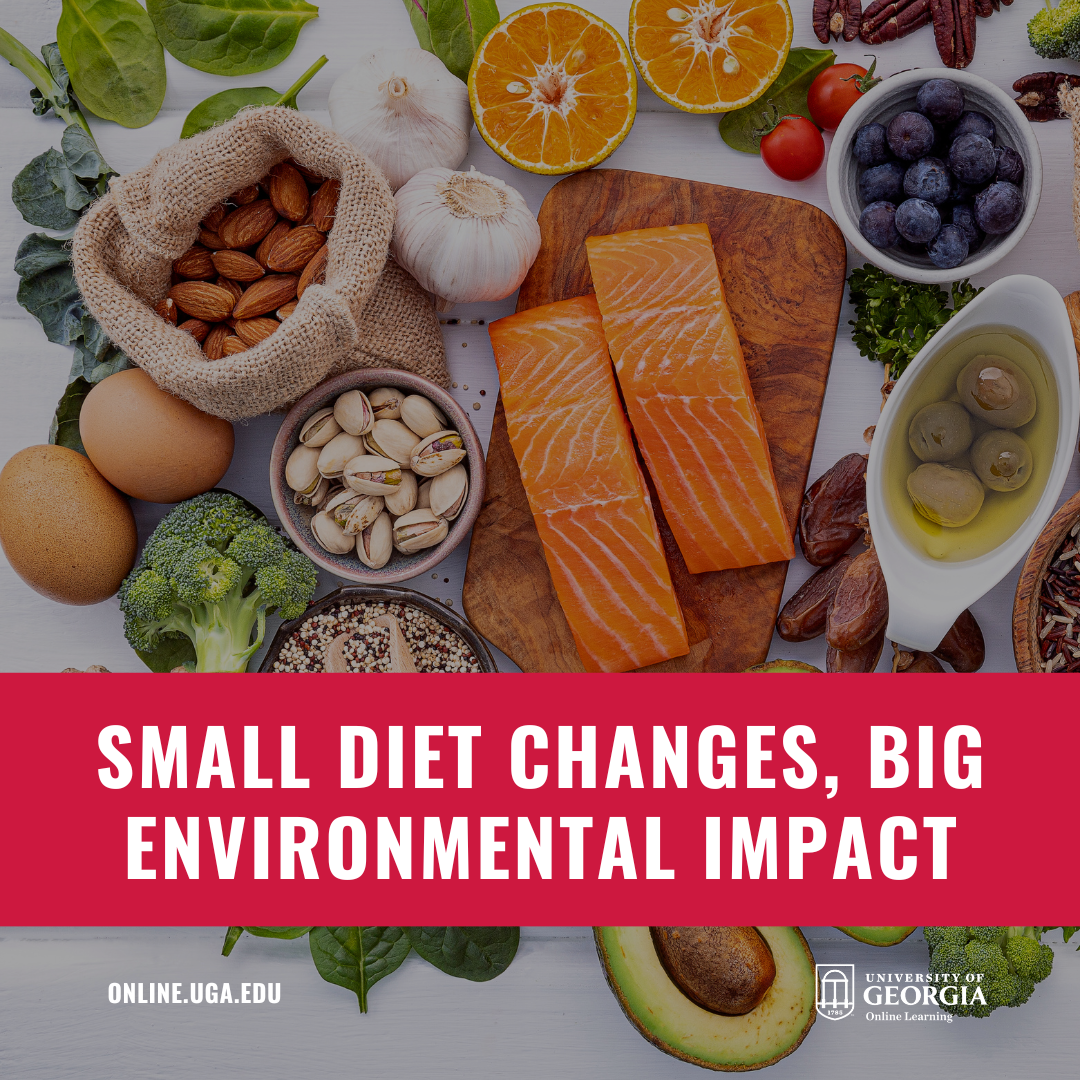
Feeling overwhelmed by the idea of completely overhauling your diet? What if I told you that you don't need to make drastic changes to see real results? It's true! Small, sustainable adjustments to your eating habits can pave the way for a healthier, happier you.
Let's face it, the pressure to adopt extreme diets can be intense. We're bombarded with messages about quick fixes and restrictive plans, leaving many of us feeling discouraged and ultimately, unsuccessful. The idea of giving up all your favorite foods or spending hours in the kitchen preparing complicated meals is enough to make anyone throw in the towel before they even begin.
This guide is for anyone who wants to improve their health and well-being without the stress and frustration of traditional dieting. We'll explore simple, manageable changes you can incorporate into your daily routine that will have a significant impact on your energy levels, weight management, and overall health.
Ready to ditch the diet drama and embrace a more balanced approach? This article unveils the power of small dietary tweaks. Discover how swapping sugary drinks for water, adding more fruits and vegetables, and making mindful choices about portion sizes can revolutionize your health. Learn practical tips and strategies to transform your eating habits and achieve lasting results without feeling deprived. We'll explore the history, myths, secrets, and recommendations, ultimately empowering you to make informed choices for a healthier lifestyle.
Understanding Portion Control and Its Impact
I remember when I first started paying attention to portion sizes. I used to mindlessly fill my plate, never really thinking about how much I was actually eating. It wasn't until I began tracking my food intake that I realized I was consistently overeating, even when I thought I was making healthy choices. I was shocked at how much bigger restaurant portions were than what I needed. Small changes, like using smaller plates at home and being more mindful of serving sizes, made a huge difference. I wasn't necessarily eating different foods, but I was eating less of them, which led to weight loss and increased energy levels. This personal experience really highlighted the power of portion control.
Portion control is simply managing the amount of food you consume in one sitting. It's about being aware of serving sizes and making conscious choices about how much you eat. It's not about deprivation or restriction; it's about balance. By understanding appropriate portion sizes, you can ensure that you're nourishing your body with the right amount of nutrients without overdoing it. This can lead to weight management, improved digestion, and better overall health. Many people underestimate the amount of food they're actually consuming. Portion control brings awareness to this, helping you make informed decisions about your food choices. Learning about standard serving sizes for different foods is a great starting point.
The Importance of Hydration for Overall Health
The history of understanding the importance of hydration is quite interesting. For centuries, people simply drank when they felt thirsty. However, as science advanced, we began to understand the vital role water plays in almost every bodily function. Dehydration can lead to fatigue, headaches, and even more serious health problems. Interestingly, there's a common myth that you only need to drink water when you're thirsty. However, thirst is often a sign that you're already mildly dehydrated. Proactive hydration, drinking water throughout the day even when you don't feel thirsty, is crucial for maintaining optimal health. Think of your body as a well-oiled machine; water is the lubricant that keeps everything running smoothly.
Staying hydrated is fundamental to good health. Water is essential for everything from regulating body temperature and transporting nutrients to flushing out toxins and lubricating joints. Dehydration can manifest in various ways, including fatigue, headaches, constipation, and even impaired cognitive function. Drinking enough water throughout the day can improve your energy levels, boost your metabolism, and support healthy digestion. Aim to drink at least eight glasses of water per day, and increase your intake during exercise or in hot weather. Consider carrying a reusable water bottle with you as a reminder to stay hydrated. Other fluids, like herbal tea and infused water, can also contribute to your daily fluid intake.
Unveiling the Secret Power of Mindful Eating
The hidden secret of mindful eating lies in its ability to transform your relationship with food. It's about paying attention to your hunger cues, savoring each bite, and eating without distractions. In our fast-paced world, we often eat mindlessly, scarfing down meals while scrolling through our phones or working at our desks. This can lead to overeating and a disconnect from our body's natural signals. Mindful eating encourages you to slow down, appreciate the taste and texture of your food, and recognize when you're truly full. It's a powerful tool for breaking free from emotional eating patterns and developing a healthier, more conscious approach to food.
Mindful eating is a practice that involves paying attention to the present moment while eating. It's about being fully aware of the taste, texture, smell, and appearance of your food. It also involves listening to your body's hunger and fullness cues. Instead of eating mindlessly, you're consciously engaging with your food and your body. This can lead to a more satisfying eating experience, reduce overeating, and improve your relationship with food. Start by eliminating distractions like television and your phone while you eat. Focus on chewing your food thoroughly and savoring each bite. Pay attention to how your body feels before, during, and after eating. These small changes can make a big difference in your overall well-being.
Recommended Small Dietary Tweaks for Big Impact
I highly recommend starting with one or two small dietary tweaks at a time. Don't try to overhaul your entire diet overnight; that's a recipe for burnout. Instead, focus on making sustainable changes that you can realistically incorporate into your daily routine. For example, try swapping sugary drinks for water or adding a serving of vegetables to each meal. Once you've mastered one or two changes, you can gradually add more. Remember, it's about progress, not perfection. Be patient with yourself, and celebrate your successes along the way. These small steps will eventually lead to significant improvements in your health and well-being.
When it comes to dietary recommendations, it's important to focus on sustainable and realistic changes. Drastic diets are often unsustainable in the long run. Instead, focus on making small, manageable tweaks to your eating habits that you can maintain over time. For example, swapping processed snacks for whole fruits or vegetables, choosing whole grains over refined grains, and cooking at home more often can have a significant impact on your health. It's also important to listen to your body and pay attention to how different foods make you feel. What works for one person may not work for another. Experiment with different changes and find what works best for you. Remember, it's a journey, not a destination.
The Power of Swapping Sugary Drinks for Water
The simple act of swapping sugary drinks for water is one of the most impactful small dietary changes you can make. Sugary drinks, like soda, juice, and sweetened teas, are loaded with empty calories and can contribute to weight gain, type 2 diabetes, and other health problems. Water, on the other hand, is calorie-free and essential for hydration. By replacing sugary drinks with water, you can significantly reduce your calorie intake and improve your overall health. Try carrying a reusable water bottle with you and refilling it throughout the day. If you find plain water boring, try adding slices of lemon, cucumber, or berries for flavor.
Cutting out sugary drinks is a game-changer. Many people don't realize just how much sugar they're consuming through beverages. Soda, juice, sweetened coffee drinks – they're all packed with empty calories that contribute to weight gain and increase your risk of chronic diseases. Switching to water is a simple yet incredibly effective way to reduce your sugar intake and improve your overall health. Water helps you stay hydrated, aids in digestion, and can even boost your energy levels. If you find plain water boring, try infusing it with fruits, vegetables, or herbs for added flavor. Cucumber and mint, lemon and ginger, or berries and basil are all great options.
Practical Tips for Implementing Small Dietary Changes
The key to successfully implementing small dietary changes is to make them gradual and sustainable. Don't try to change everything at once; focus on one or two changes at a time. Start by identifying your biggest dietary weaknesses and then choose one small change you can make to address them. For example, if you tend to snack on unhealthy foods in the afternoon, try packing a healthy snack, like fruits or vegetables, to bring to work. Be patient with yourself, and don't get discouraged if you slip up occasionally. The important thing is to keep moving forward and making progress over time.
To make these changes stick, try these practical tips. First, plan your meals ahead of time. This will help you make healthier choices and avoid impulsive decisions. Second, stock your kitchen with healthy foods so you always have nutritious options on hand. Third, find healthy alternatives to your favorite unhealthy foods. For example, if you love chips, try baked sweet potato fries instead. Fourth, don't be afraid to experiment with new recipes and flavors. This will keep your meals interesting and prevent you from getting bored. Fifth, be kind to yourself and celebrate your successes. Remember, it's a journey, not a race.
Strategies for Sticking to Your New Eating Habits
Consistency is key when it comes to sticking to new eating habits. One helpful strategy is to find a support system. Whether it's a friend, family member, or online community, having someone to share your goals and challenges with can make a big difference. Another strategy is to track your progress. This can help you stay motivated and see how far you've come. You can use a food journal, a mobile app, or even just a simple notebook to track your meals and snacks. It's also important to be prepared for setbacks. Everyone slips up occasionally, so don't beat yourself up about it. Just get back on track as soon as possible.
Building new habits takes time and effort. Don't expect to see results overnight. Be patient with yourself and celebrate your small victories along the way. Visualizing your goals can also be a powerful tool for staying motivated. Picture yourself achieving your desired health outcomes and remember why you started this journey in the first place. Another tip is to avoid all-or-nothing thinking. It's okay to indulge in your favorite treats occasionally, as long as you're making healthy choices most of the time. Focus on progress, not perfection, and remember that every small step counts.
Fun Facts About Food and Nutrition
Did you know that the average person consumes about 35 tons of food in their lifetime? That's a lot of eating! Here's another fun fact: carrots were originally purple, not orange. The orange carrot was developed in the Netherlands in the 17th century as a tribute to the House of Orange. And speaking of vegetables, broccoli contains more vitamin C than an orange. These fun facts highlight the fascinating world of food and nutrition and remind us that there's always something new to learn.
Exploring fun facts about food and nutrition can make healthy eating more engaging. For example, the fiber in fruits and vegetables helps you feel full and satisfied, which can aid in weight management. Another interesting fact is that dark chocolate, in moderation, can be good for your heart. It contains antioxidants that can help protect against heart disease. And did you know that eating certain foods, like turkey and bananas, can boost your mood? These foods contain tryptophan, an amino acid that helps produce serotonin, a neurotransmitter that promotes feelings of happiness and well-being. Learning about these fun facts can inspire you to make healthier food choices and appreciate the amazing benefits of nutritious foods.
How to Start Implementing These Changes Today
Ready to take action? Start by choosing one or two small dietary changes you can make today. For example, you could swap your sugary soda for water at lunch or add a serving of vegetables to your dinner. Make a specific plan for how you're going to implement these changes. For example, if you're going to drink more water, keep a water bottle with you at all times and set reminders on your phone to drink throughout the day. Track your progress and celebrate your successes. Every small step you take is a step in the right direction.
The key to success is to break down your goals into manageable steps. Don't try to overhaul your entire diet overnight. Instead, focus on making small, sustainable changes that you can realistically incorporate into your daily routine. For example, instead of completely eliminating sugar from your diet, start by cutting back on sugary drinks and processed snacks. Instead of trying to cook every meal from scratch, start by making one or two healthy meals per week. As you become more comfortable with these changes, you can gradually add more. Remember, it's a journey, not a race. Be patient with yourself and celebrate your progress along the way.
What If I Slip Up?
It's important to remember that setbacks are a normal part of any lifestyle change. Everyone slips up occasionally, so don't beat yourself up about it. The key is to get back on track as soon as possible. Don't let one slip-up derail your entire progress. Instead, acknowledge it, learn from it, and move forward. Identify what triggered the slip-up and develop strategies to prevent it from happening again in the future. For example, if you tend to overeat when you're stressed, find healthy ways to manage your stress, such as exercise, meditation, or spending time with loved ones.
When you slip up, don't fall into the trap of all-or-nothing thinking. Just because you had one unhealthy meal doesn't mean you've ruined everything. Get back on track with your next meal and focus on making healthy choices from that point forward. It's also important to be kind to yourself. Don't dwell on your mistakes; instead, focus on your successes and all the progress you've made. Remember that you're human, and it's okay to make mistakes. The important thing is to learn from them and keep moving forward. By adopting a positive and forgiving attitude, you can overcome setbacks and achieve your health goals.
Listicle of Simple Dietary Changes for a Healthier You
Here's a quick list of simple dietary changes you can make for a healthier you:
- Swap sugary drinks for water.
- Add a serving of vegetables to each meal.
- Choose whole grains over refined grains.
- Eat more fruits.
- Practice mindful eating.
- Control your portion sizes.
- Cook at home more often.
- Read food labels carefully.
- Limit processed foods.
- Get enough sleep.
Each of these changes can have a significant impact on your health and well-being. Start by choosing one or two that resonate with you and focus on implementing them consistently. As you become more comfortable, you can gradually add more. Remember, it's about progress, not perfection. Be patient with yourself and celebrate your successes along the way. By making these small dietary tweaks, you can create a healthier and happier you.
Question and Answer Section
Q: How quickly will I see results from these small changes?
A: Results vary from person to person, but you can often start to notice positive changes within a few weeks. These might include increased energy levels, improved digestion, and even some weight loss. The key is consistency and patience.
Q: What if I have a craving for something unhealthy?
A: It's okay to indulge in cravings occasionally! The key is moderation. Try to find a healthier alternative, or allow yourself a small portion of the craving. The goal is not deprivation, but balance.
Q: How do I know if I'm eating the right portion sizes?
A: Start by familiarizing yourself with standard serving sizes. You can find this information on food labels or online. Use measuring cups and spoons to get a better sense of portion sizes. Also, pay attention to your body's hunger and fullness cues. Stop eating when you're satisfied, not stuffed.
Q: Is it okay to eat out at restaurants while trying to make these changes?
A: Yes, you can still eat out! Look for healthier options on the menu, such as grilled or baked dishes instead of fried. Ask for sauces and dressings on the side so you can control how much you use. Be mindful of portion sizes and consider sharing a dish with a friend.
Conclusion of Small Diet Changes That Make a Big Impact
The journey to a healthier lifestyle doesn't have to be a daunting one. By focusing on small, sustainable dietary changes, you can achieve significant improvements in your health and well-being without feeling overwhelmed or deprived. Remember to be patient with yourself, celebrate your successes, and embrace the process. Every small step you take is a step closer to a healthier, happier you.
Comments
Post a Comment