Ever feel like you're just not breathing right? Like you're constantly holding your breath or taking shallow, anxious gasps? It's a common feeling in our fast-paced world, but the good news is, you can reclaim control of your breath and find a sense of calm and focus through daily practice. Juggling work, family, and the endless stream of information coming at us can leave us feeling frazzled and disconnected from our bodies. It's easy to let breathing become an afterthought, something we do without conscious awareness. This can lead to increased stress, decreased energy levels, and a general sense of unease. We often find ourselves searching for ways to manage stress and improve our overall well-being, but sometimes the simplest solutions are the most effective. This blog post aims to provide practical tips and guidance for incorporating daily breathing exercises into your routine. Whether you're a seasoned meditator or a compl...
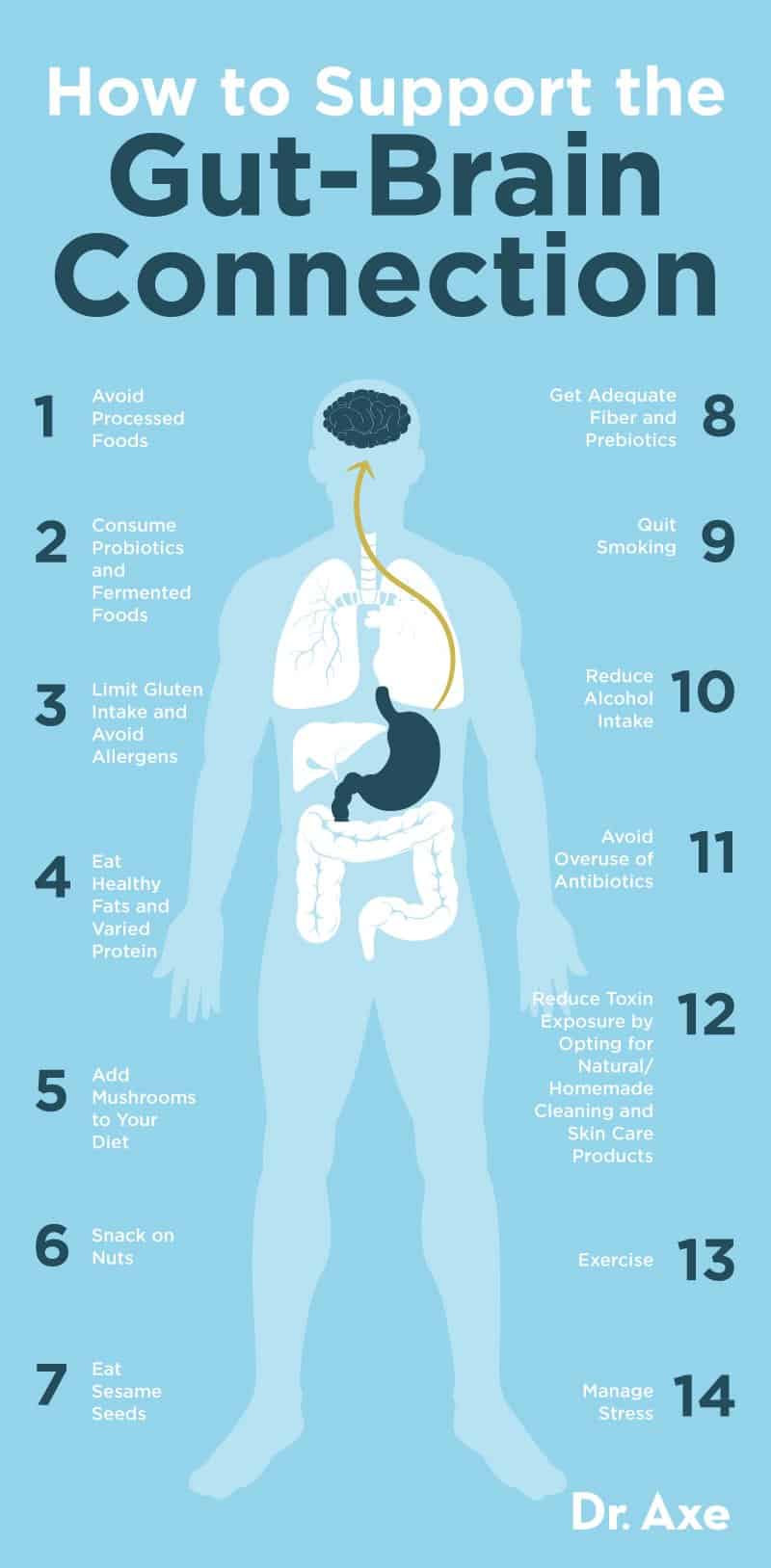
Ever feel like your stomach is tied in knots when you're stressed? Or maybe you experience brain fog after eating certain foods? These aren't just random occurrences; they're whispers from a fascinating connection between your gut and your brain.
We often treat our minds and bodies as separate entities. We might struggle with anxiety or depression, feeling trapped in our own heads, without realizing that a key to feeling better might lie in the health of our digestive system. Similarly, persistent digestive issues like bloating or Irritable Bowel Syndrome (IBS) can impact our mood and cognitive function, leaving us feeling drained and unable to focus.
This blog post explores the intricate relationship between your gut and your brain – often referred to as the gut-brain axis. We'll delve into how these two seemingly distant organs communicate, the impact of gut health on mental well-being, and practical steps you can take to nourish both your gut and your mind for a happier, healthier you.
Essentially, the gut-brain axis is a bidirectional communication network that links the emotional and cognitive centers of the brain with the gut. This connection is facilitated by various mechanisms, including the vagus nerve, the gut microbiota, and the production of neurotransmitters. Understanding this connection is crucial for addressing both physical and mental health challenges. By focusing on strategies to improve gut health – like diet, stress management, and probiotics – we can positively influence brain function, mood, and overall well-being.
The Vagus Nerve: The Gut-Brain Superhighway
I remember vividly a period in my life when I was constantly battling anxiety. Everything felt overwhelming, and my stomach was a churning mess. It wasn't until I started exploring mindfulness and deep breathing exercises that I realized I could directly influence my nervous system, and subsequently, my gut. The vagus nerve, as I later learned, was the key. This long and winding nerve acts as the primary communication pathway between the gut and the brain, sending signals in both directions. When we're stressed, the vagus nerve can become overwhelmed, leading to digestive issues and exacerbating anxiety. Practices like meditation, yoga, and even singing can help to tone the vagus nerve, promoting relaxation and improving gut function. This, in turn, can have a profound impact on mental clarity and emotional stability. The gut-brain axis isn’t just a concept; it’s a tangible connection that we can actively nurture through conscious practices.
The Gut Microbiota: A World Within
The gut microbiota, consisting of trillions of bacteria, fungi, viruses, and other microorganisms residing in our digestive tract, plays a vital role in shaping our health and well-being. This complex ecosystem not only aids in digestion and nutrient absorption but also profoundly influences our immune system and brain function. The gut microbiota communicates with the brain through various pathways, including the production of neurotransmitters like serotonin and dopamine, which regulate mood and behavior. An imbalance in the gut microbiota, known as dysbiosis, has been linked to various mental health conditions, including anxiety, depression, and autism spectrum disorder. Factors such as diet, stress, and antibiotic use can disrupt the delicate balance of the gut microbiota. Probiotics, prebiotics, and a diet rich in fiber and fermented foods can help promote a healthy gut microbiota and support optimal brain function. The gut-brain axis is heavily influenced by this internal ecosystem, emphasizing the importance of nurturing our gut flora for overall health.
History and Myths of the Gut-Brain Connection
The concept of a connection between the gut and the brain isn't new. In fact, ancient medical systems like Ayurveda and Traditional Chinese Medicine recognized the importance of digestion in overall health and well-being centuries ago. However, the scientific understanding of the gut-brain axis is a relatively recent development. For years, the idea that gut health could significantly impact brain function was often dismissed as pseudoscience or simply anecdotal evidence. One common myth is that the gut is merely a digestive organ with no real influence on the brain. Modern research has debunked this myth, revealing the intricate communication pathways and the profound impact of the gut microbiota on neurotransmitter production and brain activity. Another misconception is that all bacteria are harmful. In reality, many beneficial bacteria are essential for gut health and play a crucial role in supporting mental well-being. The journey of understanding the gut-brain axis is a testament to the evolving nature of scientific knowledge and the importance of challenging conventional wisdom. As research continues to unfold, we are gaining a deeper appreciation for the interconnectedness of our bodies and the powerful influence of the gut on our overall health.
Unveiling the Secrets: Hidden Pathways
Beyond the vagus nerve and the gut microbiota, several other hidden pathways contribute to the complex interplay between the gut and the brain. The enteric nervous system, often referred to as the "second brain," is a vast network of neurons lining the digestive tract. It can operate independently of the brain and spinal cord, controlling digestion and influencing gut motility. Inflammation, both in the gut and systemically, can also disrupt the gut-brain axis. Chronic inflammation can compromise the gut lining, leading to "leaky gut," where harmful substances leak into the bloodstream and trigger an immune response. This immune response can then impact brain function, contributing to mood disorders and cognitive impairment. Furthermore, the gut produces a variety of hormones and peptides that influence appetite, metabolism, and even behavior. These molecules can travel to the brain and affect neurotransmitter activity, further highlighting the intricate connection between the gut and the brain. By understanding these hidden pathways, we can develop more targeted strategies for addressing gut-brain imbalances and promoting overall well-being.
Recommendations: Nurturing the Gut-Brain Axis
So, how can we practically nurture the gut-brain axis and reap the benefits of this powerful connection? One of the most crucial steps is to adopt a gut-friendly diet. This means prioritizing whole, unprocessed foods, including plenty of fruits, vegetables, and fiber-rich foods. Fermented foods like yogurt, kefir, sauerkraut, and kimchi are excellent sources of probiotics, which can help replenish beneficial bacteria in the gut. Limiting processed foods, sugary drinks, and excessive alcohol intake is also essential, as these can disrupt the gut microbiota and contribute to inflammation. Stress management is another key factor. Chronic stress can negatively impact gut health and exacerbate mental health issues. Practices like meditation, yoga, deep breathing exercises, and spending time in nature can help reduce stress levels and promote relaxation. Finally, consider incorporating probiotics and prebiotics into your daily routine. Probiotics introduce beneficial bacteria to the gut, while prebiotics provide food for these bacteria to thrive. Consult with a healthcare professional to determine the right type and dosage of probiotics and prebiotics for your individual needs. By implementing these recommendations, you can actively nurture the gut-brain axis and improve both your physical and mental well-being.
The Role of Inflammation
Inflammation, a natural immune response to injury or infection, can significantly impact the gut-brain axis. When the gut lining becomes compromised, a condition known as "leaky gut," undigested food particles, bacteria, and toxins can leak into the bloodstream, triggering an inflammatory response. This systemic inflammation can then affect the brain, contributing to mood disorders, cognitive impairment, and even neurodegenerative diseases. Chronic inflammation can disrupt the balance of neurotransmitters in the brain, leading to anxiety, depression, and difficulty concentrating. Furthermore, inflammation can also impair the function of the vagus nerve, disrupting communication between the gut and the brain. To combat inflammation, focus on adopting an anti-inflammatory diet rich in fruits, vegetables, and omega-3 fatty acids. Avoid processed foods, sugary drinks, and excessive alcohol intake, as these can exacerbate inflammation. Consider incorporating anti-inflammatory supplements like curcumin and ginger into your diet. Managing stress and getting adequate sleep are also crucial for reducing inflammation and supporting a healthy gut-brain axis. The connection between inflammation, the gut, and the brain underscores the importance of adopting a holistic approach to health that addresses both physical and mental well-being.
Tips for a Healthier Gut-Brain Connection
Building a strong gut-brain connection is a journey, not a destination. Here are some actionable tips to help you along the way: Start by paying attention to your body's signals. Notice how different foods affect your mood, energy levels, and digestive system. Keep a food journal to track your meals and any associated symptoms. Gradually introduce fermented foods into your diet. Start with small portions and gradually increase as tolerated. Practice mindful eating. Take your time to savor your food and pay attention to your body's hunger and fullness cues. Engage in regular physical activity. Exercise has been shown to improve gut health and reduce stress. Prioritize sleep. Aim for 7-8 hours of quality sleep each night. Get outside and soak up some sunshine. Vitamin D is essential for both gut and brain health. Connect with others. Social connection is crucial for mental well-being and can also positively influence gut health. Consider working with a healthcare professional or a registered dietitian to develop a personalized plan that addresses your specific needs. Remember, small changes can make a big difference over time. Be patient with yourself and celebrate your progress along the way.
The Importance of Fiber
Fiber, an indigestible carbohydrate found in plant-based foods, plays a crucial role in promoting gut health and supporting the gut-brain axis. Fiber acts as a prebiotic, providing nourishment for beneficial bacteria in the gut. These bacteria ferment fiber, producing short-chain fatty acids (SCFAs) like butyrate, acetate, and propionate. SCFAs have numerous health benefits, including reducing inflammation, improving gut barrier function, and modulating immune responses. Butyrate, in particular, is a primary energy source for colonocytes, the cells lining the colon, and plays a critical role in maintaining gut health. Furthermore, fiber helps regulate bowel movements, preventing constipation and promoting the elimination of toxins. A diet rich in fiber has been linked to a reduced risk of various health conditions, including obesity, type 2 diabetes, heart disease, and certain cancers. To increase your fiber intake, focus on incorporating more fruits, vegetables, whole grains, legumes, nuts, and seeds into your diet. Aim for at least 25-30 grams of fiber per day. Gradually increase your fiber intake to avoid digestive discomfort, such as bloating and gas. Staying hydrated is also essential when increasing fiber intake, as fiber absorbs water and can lead to constipation if you don't drink enough fluids.
Fun Facts About the Gut-Brain Connection
Did you know that the gut produces more serotonin than the brain? Serotonin, often referred to as the "happy hormone," plays a crucial role in regulating mood, sleep, and appetite. While the brain also produces serotonin, the majority of it is synthesized in the gut. Another fascinating fact is that the gut microbiota is as unique as your fingerprint. The composition of your gut microbiota is influenced by various factors, including genetics, diet, environment, and lifestyle. The vagus nerve, the primary communication pathway between the gut and the brain, is the longest cranial nerve in the body, extending from the brainstem to the abdomen. The gut microbiota can even influence your food cravings. Certain bacteria thrive on specific types of food, and they can send signals to the brain to encourage you to eat more of those foods. The gut-brain axis is a relatively new area of scientific research, and scientists are constantly uncovering new and surprising connections between the gut and the brain. These fun facts highlight the complexity and importance of the gut-brain axis and underscore the need for further research to fully understand its intricacies.
How to Improve Your Gut Health
Improving your gut health is a multifaceted process that involves dietary changes, lifestyle adjustments, and potentially the use of supplements. Here's a comprehensive guide to help you get started: Emphasize a plant-based diet rich in fruits, vegetables, and whole grains. These foods are packed with fiber, vitamins, and minerals that nourish beneficial bacteria in the gut. Limit processed foods, sugary drinks, and excessive alcohol intake, as these can disrupt the gut microbiota and contribute to inflammation. Incorporate fermented foods into your diet. Yogurt, kefir, sauerkraut, kimchi, and kombucha are excellent sources of probiotics. Manage stress through practices like meditation, yoga, deep breathing exercises, and spending time in nature. Get regular exercise. Physical activity improves gut motility and reduces inflammation. Prioritize sleep. Aim for 7-8 hours of quality sleep each night. Stay hydrated. Drink plenty of water throughout the day to support healthy digestion and bowel movements. Consider taking probiotics and prebiotics supplements, but consult with a healthcare professional to determine the right type and dosage for your individual needs. Avoid unnecessary antibiotic use, as antibiotics can kill both beneficial and harmful bacteria in the gut. By following these steps, you can create a gut environment that supports overall health and well-being.
What If You Neglect Your Gut-Brain Connection?
Neglecting your gut-brain connection can have far-reaching consequences for both your physical and mental health. A compromised gut microbiota can lead to digestive issues like bloating, gas, constipation, and diarrhea. It can also weaken your immune system, making you more susceptible to infections and allergies. Furthermore, gut dysbiosis has been linked to various mental health conditions, including anxiety, depression, autism spectrum disorder, and even neurodegenerative diseases like Alzheimer's and Parkinson's. Chronic inflammation, which is often associated with poor gut health, can also contribute to a wide range of health problems, including heart disease, diabetes, and cancer. Ignoring the gut-brain connection can also impact your cognitive function, leading to difficulty concentrating, memory problems, and brain fog. In short, neglecting your gut health can have a cascading effect on your overall well-being, affecting your mood, energy levels, cognitive function, and physical health. Taking proactive steps to nurture your gut-brain connection is an investment in your long-term health and happiness.
Listicle: 5 Ways to Boost Your Gut-Brain Axis
Here are five actionable ways to strengthen the connection between your gut and your brain:
1.Eat the Rainbow: Load up on a variety of colorful fruits and vegetables to nourish your gut microbiota with diverse prebiotics. Think berries, leafy greens, bell peppers, and carrots.
2.Ferment Your Way to Happiness: Incorporate fermented foods like yogurt, kimchi, sauerkraut, and kombucha into your diet for a dose of beneficial probiotics.
3.Stress Less, Gut Bliss: Practice stress-reducing activities like meditation, yoga, or spending time in nature to calm your nervous system and support healthy digestion.
4.Sleep Soundly, Think Clearly: Prioritize 7-8 hours of quality sleep each night to regulate your hormones and promote optimal gut function.
5.Move Your Body, Nourish Your Mind: Engage in regular physical activity to improve gut motility, reduce inflammation, and boost your mood.
By implementing these simple yet powerful strategies, you can actively nurture your gut-brain axis and unlock a world of benefits for your physical and mental well-being. Remember, consistency is key. Make these practices a part of your daily routine to reap the long-term rewards of a healthy gut-brain connection.
Question and Answer: Understanding the Gut-Brain Connection
Q: What is the gut-brain axis?
A: The gut-brain axis is a bidirectional communication system that connects the gut and the brain. It involves various pathways, including the vagus nerve, the gut microbiota, and the production of neurotransmitters.
Q: How does gut health affect mental health?
A: The gut microbiota plays a crucial role in producing neurotransmitters like serotonin and dopamine, which regulate mood and behavior. An imbalance in the gut microbiota can contribute to mental health conditions like anxiety and depression.
Q: What are some foods that are good for gut health?
A: Foods that are good for gut health include fruits, vegetables, whole grains, legumes, and fermented foods like yogurt, kefir, sauerkraut, and kimchi.
Q: Can stress affect gut health?
A: Yes, chronic stress can negatively impact gut health by disrupting the gut microbiota, increasing inflammation, and impairing gut motility.
Conclusion of The Connection Between Gut and Brain Health
The connection between the gut and the brain is a powerful and intricate relationship that plays a vital role in our overall health and well-being. By understanding the gut-brain axis and implementing strategies to nurture this connection, we can unlock a world of benefits for our physical, mental, and cognitive health. Focusing on a gut-friendly diet, managing stress, incorporating probiotics and prebiotics, and adopting a healthy lifestyle are all essential steps in supporting a thriving gut-brain axis. Remember, small changes can make a big difference over time. Embrace the journey of nurturing your gut-brain connection and reap the rewards of a happier, healthier you.
Comments
Post a Comment