Ever feel like you're just not breathing right? Like you're constantly holding your breath or taking shallow, anxious gasps? It's a common feeling in our fast-paced world, but the good news is, you can reclaim control of your breath and find a sense of calm and focus through daily practice. Juggling work, family, and the endless stream of information coming at us can leave us feeling frazzled and disconnected from our bodies. It's easy to let breathing become an afterthought, something we do without conscious awareness. This can lead to increased stress, decreased energy levels, and a general sense of unease. We often find ourselves searching for ways to manage stress and improve our overall well-being, but sometimes the simplest solutions are the most effective. This blog post aims to provide practical tips and guidance for incorporating daily breathing exercises into your routine. Whether you're a seasoned meditator or a compl...
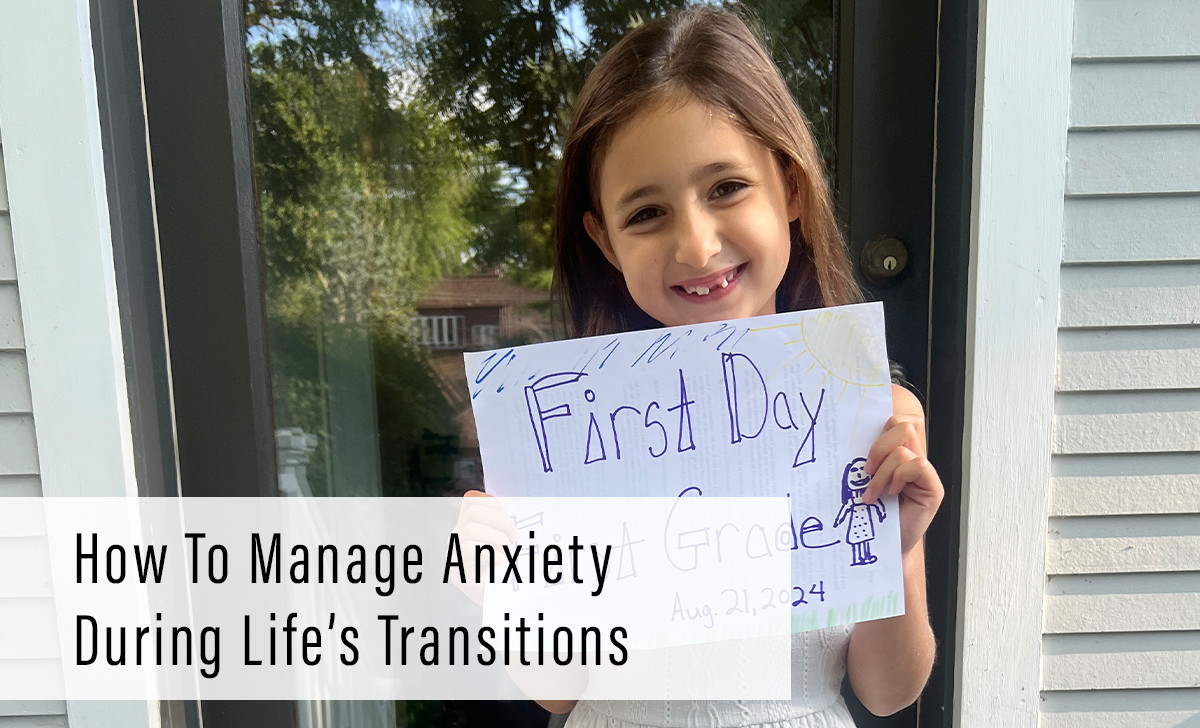
Life is a river, constantly flowing and changing. Sometimes, the current is gentle, and we drift along peacefully. But other times, the river becomes turbulent, throwing us into unexpected rapids of change. Whether it’s a new job, a move to a different city, the end of a relationship, or any other significant shift, these life transitions can stir up a whirlwind of emotions, especially anxiety.
The uncertainty that comes with these changes can feel overwhelming. Doubts creep in, sleep becomes elusive, and that sense of control we once had seems to slip away. We question our decisions, worry about the future, and find ourselves caught in a cycle of "what ifs." It's a challenging time, no doubt, and understanding how to navigate these turbulent waters is crucial for our well-being.
Managing anxiety during life transitions is about equipping yourself with the right tools and strategies to navigate the uncertainty and emotional upheaval. It involves acknowledging your feelings, developing coping mechanisms, and actively creating a sense of stability and purpose amidst the change. It’s not about eliminating anxiety altogether, but rather learning to manage it effectively, allowing you to move forward with confidence and resilience.
This article explores practical techniques for managing anxiety during life transitions. We'll delve into self-care strategies, mindfulness practices, the importance of social support, and methods for reframing negative thoughts. By understanding and implementing these strategies, you can navigate life's transitions with greater ease and embrace the opportunities for growth and self-discovery that lie within them. Keywords: Anxiety, life transitions, coping mechanisms, self-care, mindfulness, stress management.
Acknowledging and Validating Your Feelings
The first step in managing anxiety during life transitions is to simply acknowledge and validate your feelings. It's okay to feel anxious, scared, or overwhelmed. Don't try to suppress these emotions or tell yourself you "shouldn't" feel a certain way. When I moved across the country for a new job a few years ago, I spent weeks feeling a knot of anxiety in my stomach. I kept telling myself I should be excited, that this was a great opportunity. But the truth was, I was terrified of leaving everything I knew behind. Only when I finally allowed myself to acknowledge and accept my fear did I begin to feel a sense of relief. Ignoring or suppressing emotions only makes them stronger in the long run. Instead, try to identify what you're feeling, give it a name, and allow yourself to experience it without judgment. Journaling can be a helpful tool for this, as can talking to a trusted friend or therapist. Remember, your feelings are valid, and acknowledging them is the first step towards managing them effectively. Recognize that anxiety during times of change is normal. Be kind and compassionate to yourself, just as you would be to a friend going through a similar experience. Understanding the legitimacy of your emotions is crucial for navigating uncertainty and moving forward with resilience. It can also open the door to creating effective coping mechanisms that are suited to your individual needs.
Building a Support System
Building a strong support system is essential for navigating life transitions. Having people in your life who you can rely on for emotional support, practical assistance, and honest feedback can make a world of difference. These supports can come in the form of friends, family, mentors, therapists, or even online communities. Sharing your anxieties and concerns with others can help you feel less alone and more understood. They can also offer valuable perspectives and advice that you might not have considered. A support system can provide you with encouragement and motivation to keep moving forward, even when things get tough. Don’t be afraid to reach out to others and ask for help. Most people are happy to offer support, but they may not know you're struggling unless you tell them. Joining a support group specifically for people going through similar transitions can be particularly helpful, as it allows you to connect with others who truly understand what you're going through. Building a support system is an ongoing process. Invest time and energy in nurturing your relationships and seek out connections with people who uplift and support you. Your support system can be a source of strength and resilience during challenging times.
Reframing Negative Thoughts
Reframing negative thoughts is a powerful technique for managing anxiety during life transitions. Often, our thoughts can amplify our anxieties and create a sense of doom and gloom. By learning to identify and challenge these negative thought patterns, we can create a more positive and realistic outlook. Many people think "reframing" means forcing yourself to think positively all the time. That is not true! It's about looking at situations from a different perspective. For example, instead of thinking, "I'm going to fail at this new job," you might reframe it as, "This new job is a challenge, but I have the skills and abilities to succeed. Even if I make mistakes along the way, I can learn and grow from them." Question the evidence for your negative thoughts. Are they based on facts or assumptions? Are you catastrophizing or jumping to conclusions? Challenge the validity of your thought processes and replace them with more balanced and realistic views. Focus on the positive aspects of the transition and the opportunities it presents. Remind yourself of your strengths and accomplishments. By consciously reframing your negative thoughts, you can reduce anxiety and build confidence in your ability to navigate change.
Practicing Mindfulness and Self-Care
Practicing mindfulness and self-care is crucial for managing anxiety during life transitions. When we're feeling overwhelmed, it's easy to neglect our own needs and get caught up in a cycle of worry and stress. However, taking time to focus on our well-being can significantly reduce anxiety and improve our overall quality of life. Mindfulness involves paying attention to the present moment without judgment. This can be achieved through meditation, deep breathing exercises, or simply focusing on your senses. When you notice anxious thoughts arising, gently acknowledge them and then redirect your attention back to the present moment. Self-care involves engaging in activities that nourish your mind, body, and spirit. This could include things like exercise, spending time in nature, reading a good book, taking a relaxing bath, or connecting with loved ones. Choose activities that you find enjoyable and that help you feel refreshed and rejuvenated. Schedule time for mindfulness and self-care into your daily routine, even if it's just for a few minutes each day. By prioritizing your well-being, you'll be better equipped to handle the challenges that come with life transitions. Prioritize and value the time you put into these activities, do not ever look at it as a luxury!
The Importance of Routine
Maintaining a sense of routine can be incredibly grounding during times of transition. When everything around you feels uncertain, establishing a consistent daily structure can provide a sense of stability and control. This doesn't mean you have to stick to a rigid schedule, but rather create a framework that incorporates activities that are important to you, such as exercise, healthy eating, and relaxation. Even small routines, like waking up at the same time each day or taking a walk after dinner, can have a positive impact on your well-being. Routine isn't about rigidity; it's about building a sense of familiarity and predictability into your days. It helps to create a rhythm in your life, offering moments of comfort and reassurance amidst the chaos of change. This can be especially helpful for reducing anxiety, as it provides a sense of order and control in what might otherwise feel like a very disorganized time. When creating your routine, focus on incorporating activities that nourish your mental, emotional, and physical health. Make sure to include time for self-care, hobbies, and connecting with loved ones. These elements can help you feel grounded and supported during times of transition, making it easier to manage any anxiety or stress that arises. You can always adjust the routine to be more flexible when your schedule becomes busier.
Seeking Professional Help
Sometimes, managing anxiety during life transitions requires professional help. If you're struggling to cope with your anxiety on your own, or if it's interfering with your daily life, consider reaching out to a therapist or counselor. A mental health professional can provide you with tools and strategies to manage your anxiety, as well as help you explore the underlying issues that may be contributing to it. They can also offer a safe and supportive space to process your emotions and develop coping mechanisms. There is no shame in seeking professional help. It's a sign of strength, not weakness. A therapist can provide an objective perspective and guide you through the process of change. They can also help you identify unhealthy coping mechanisms and develop healthier ones. Seeking professional help is an investment in your well-being. It can empower you to navigate life transitions with greater confidence and resilience. With the rise in telehealth, it is also much more convenient to seek professional help.
Finding the Right Therapist
Finding the right therapist is an important step in seeking professional help for anxiety. Not all therapists are created equal, and it's essential to find someone who is a good fit for your needs and personality. Start by researching therapists in your area or those who offer telehealth services. Look for therapists who specialize in anxiety and life transitions. Read their profiles carefully and pay attention to their areas of expertise, therapeutic approaches, and credentials. Consider scheduling initial consultations with a few different therapists to get a sense of their style and approach. During the consultation, ask questions about their experience, their fees, and their availability. Pay attention to how you feel during the consultation. Do you feel comfortable talking to this therapist? Do you feel heard and understood? Trust your gut. If something doesn't feel right, it's okay to move on and find someone else. Finding the right therapist may take some time, but it's worth the effort. A good therapist can provide you with the support and guidance you need to manage your anxiety and navigate life transitions with greater ease. There are also many online resources to look for therapists, so be sure to check those out.
Fun Facts About Life Transitions
Did you know that major life transitions can actually rewire your brain? It's true! When we experience significant changes, our brains create new neural pathways to adapt to the new circumstances. This can lead to increased resilience and adaptability in the long run. Another fun fact is that people who embrace change and view it as an opportunity for growth tend to experience less anxiety during life transitions. This is because they focus on the potential benefits of the change rather than dwelling on the negative aspects. It's also interesting to note that different cultures have different approaches to life transitions. Some cultures have elaborate rituals and ceremonies to mark these transitions, while others take a more informal approach. However, regardless of the cultural context, the underlying goal is the same: to provide support and guidance to individuals as they navigate change. Life transitions are a universal human experience, and understanding the science and psychology behind them can help us approach them with greater awareness and compassion. So, embrace the change, rewire your brain, and remember that you're not alone in this journey! Learning more about why we feel this way can help reduce the amount of anxiety you feel. It can be comforting to know that all of these things are normal!
How to Create a Vision for the Future
Creating a vision for the future can be a powerful tool for managing anxiety during life transitions. When we're feeling uncertain about what lies ahead, having a clear vision of what we want to achieve can provide us with a sense of direction and purpose. Start by taking some time to reflect on your values, goals, and aspirations. What's truly important to you? What do you want to accomplish in your life? Visualize yourself living your ideal life. What does it look like? What are you doing? Who are you with? Write down your vision in as much detail as possible. The more specific you are, the more powerful it will be. Review your vision regularly and make adjustments as needed. It's important to stay flexible and open to new possibilities. Don't be afraid to dream big and set ambitious goals. Having a vision for the future can help you stay motivated and focused during times of transition. It can also provide you with a sense of hope and optimism, even when things get tough. It can also make the anxieties you feel more bearable when you know you are working towards an intended goal.
What If the Transition is Unwanted?
What if the life transition is unwanted? This is a common experience, and it can be particularly challenging to manage anxiety in these situations. The key is to focus on what you can control and let go of what you can't. Acknowledge your feelings of disappointment, anger, or grief. It's okay to feel sad or frustrated about the change. Don't try to suppress these emotions. Identify the things that you can control in the situation. Can you take steps to mitigate the negative impacts of the transition? Can you focus on finding new opportunities or creating a new path for yourself? Let go of the things that you can't control. This can be difficult, but it's essential for your mental well-being. Don't waste your energy dwelling on things that are beyond your control. Focus on accepting the situation and moving forward. Seek support from friends, family, or a therapist. Talking to someone who understands can help you process your emotions and develop coping mechanisms. Remember, even unwanted transitions can lead to new opportunities and growth. Embrace the challenge and focus on building a brighter future for yourself. A therapist can help you come up with more coping mechanisms to handle this unwanted transition.
Listicle: 5 Ways to Ease Transition Anxiety
Here's a listicle of 5 ways to ease transition anxiety:
1.Embrace Mindfulness: Practice daily mindfulness meditation to ground yourself in the present moment.
2.Nurture Your Body: Prioritize regular exercise, healthy eating, and adequate sleep.
3.Connect with Others: Spend time with loved ones and build a strong support network.
4.Reframe Your Thoughts: Challenge negative thoughts and focus on the positive aspects of the transition.
5.Seek Professional Help: Don't hesitate to reach out to a therapist or counselor if you're struggling to cope on your own.
Remember, managing anxiety during life transitions is a journey, not a destination. Be patient with yourself, celebrate small victories, and don't give up on your well-being. There is so much anxiety when thinking about a transition, but you can calm yourself down by thinking of these five different ways to ease that anxiety.
Question and Answer
Q: Is it normal to feel anxious during a life transition?
A: Absolutely! Anxiety is a common and normal reaction to change. It's a sign that you're stepping outside of your comfort zone and facing the unknown.
Q: How can I tell if my anxiety is becoming a problem?
A: If your anxiety is interfering with your daily life, causing you significant distress, or leading to unhealthy coping mechanisms, it's time to seek professional help.
Q: What are some healthy coping mechanisms for managing anxiety?
A: Healthy coping mechanisms include mindfulness meditation, exercise, spending time in nature, connecting with loved ones, and reframing negative thoughts.
Q: Can therapy really help with anxiety during life transitions?
A: Yes! Therapy can provide you with tools and strategies to manage your anxiety, as well as help you explore the underlying issues that may be contributing to it.
Conclusion of How to Manage Anxiety During Life Transitions
Navigating life's transitions can be a challenging journey, but by understanding the nature of anxiety and implementing effective coping strategies, you can move forward with greater confidence and resilience. Remember to acknowledge your feelings, build a support system, reframe negative thoughts, practice mindfulness and self-care, and seek professional help when needed. Embrace change as an opportunity for growth and self-discovery, and trust in your ability to overcome any obstacles that come your way. By taking care of your mental and emotional well-being, you can navigate life's transitions with grace and create a fulfilling and meaningful future for yourself.
Comments
Post a Comment